


What are the main differences between tablets and laptops?
2026-05-12
.png)
Regular tablets are primarily designed for home entertainment and light office work, mostly used in clean, room-temperature environments. They feature a slim and stylish design and are suitable only for home, study, watching videos, and simple office tasks. They only support touch control, have blurry displays in bright light, and poor environmental adaptability, only usable in normal temperature environments; they are prone to lag and crashes in low and high temperatures.
Platforms with poor device protection lack dust and water resistance, are weak in shock and drop resistance, have limited interfaces and limited expandability, and often run consumer-grade Android or tablet-specific operating systems. They cannot run continuously for extended periods, use consumer-grade hardware, have a shorter lifespan, and are affordable, focusing on everyday leisure use.
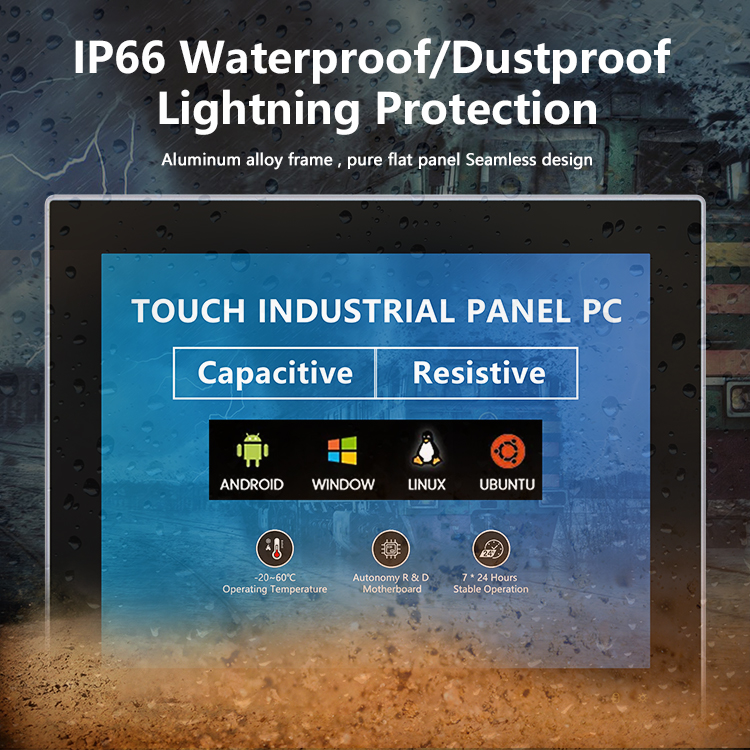
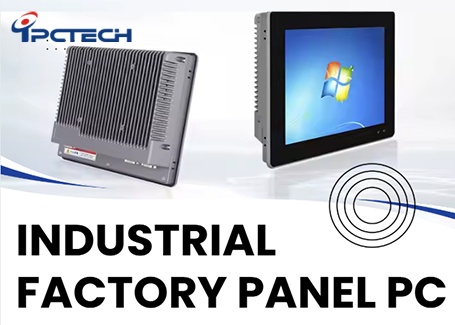
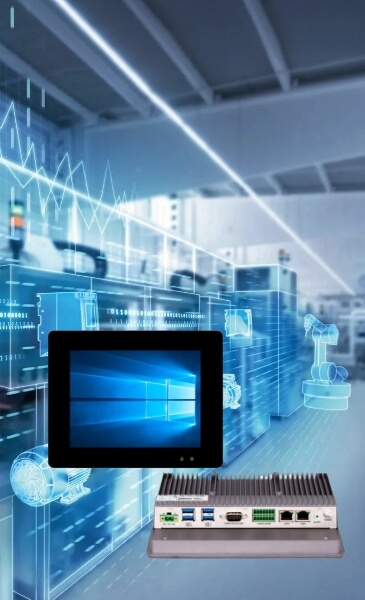
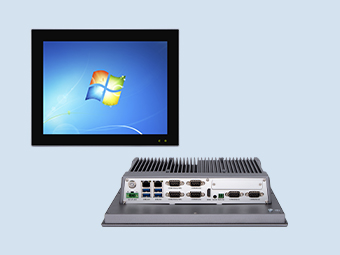
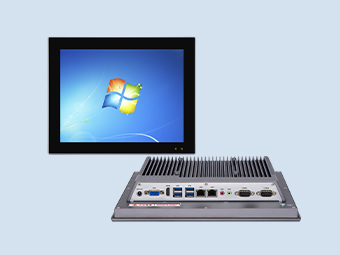
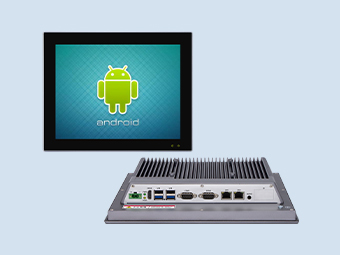
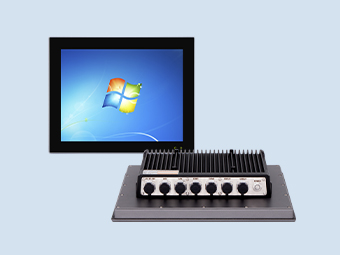
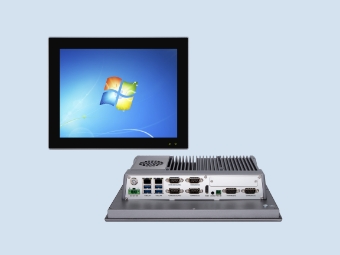
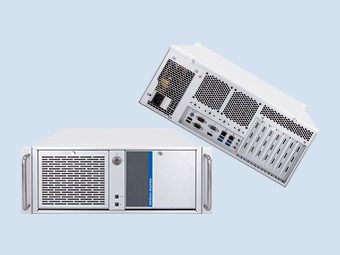
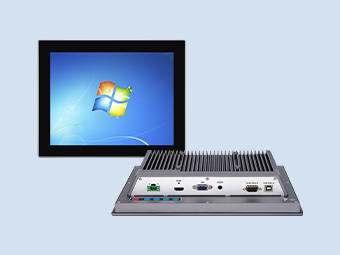
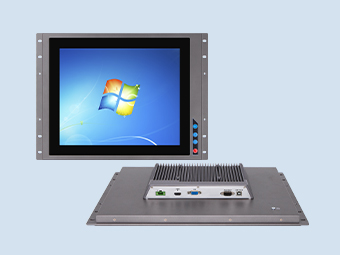
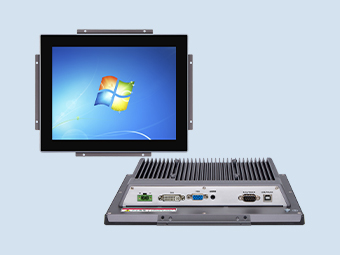
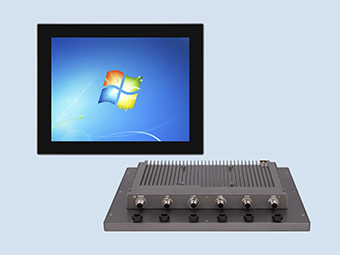
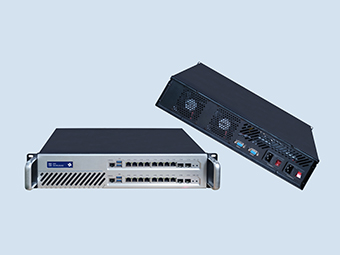
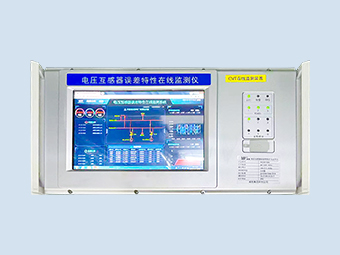
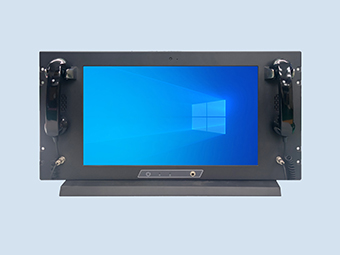
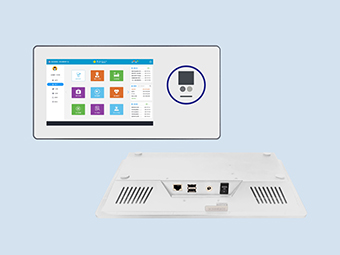
Industrial panel PCs are designed for harsh industrial environments. Featuring a robust chassis structure, they boast IP-rated dust and water resistance, protecting against dust, oil, and moisture. They are also highly shock-resistant, making them suitable for complex environments such as workshops, outdoor spaces, vehicles, and cold storage facilities. Supporting a wide operating temperature range, they operate stably in both high and low temperature environments. The screen is compatible with gloves and wet hands, and is visible even in strong outdoor light, enhancing on-site operation.
The system primarily utilizes Windows Industrial Edition and a stable Android operating system, supporting 24/7 uninterrupted operation with stable performance and low failure rate.
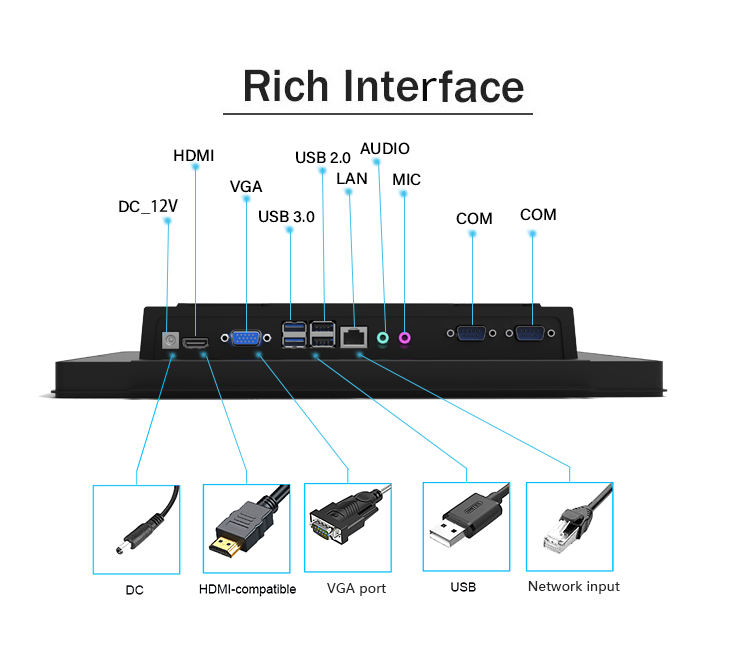
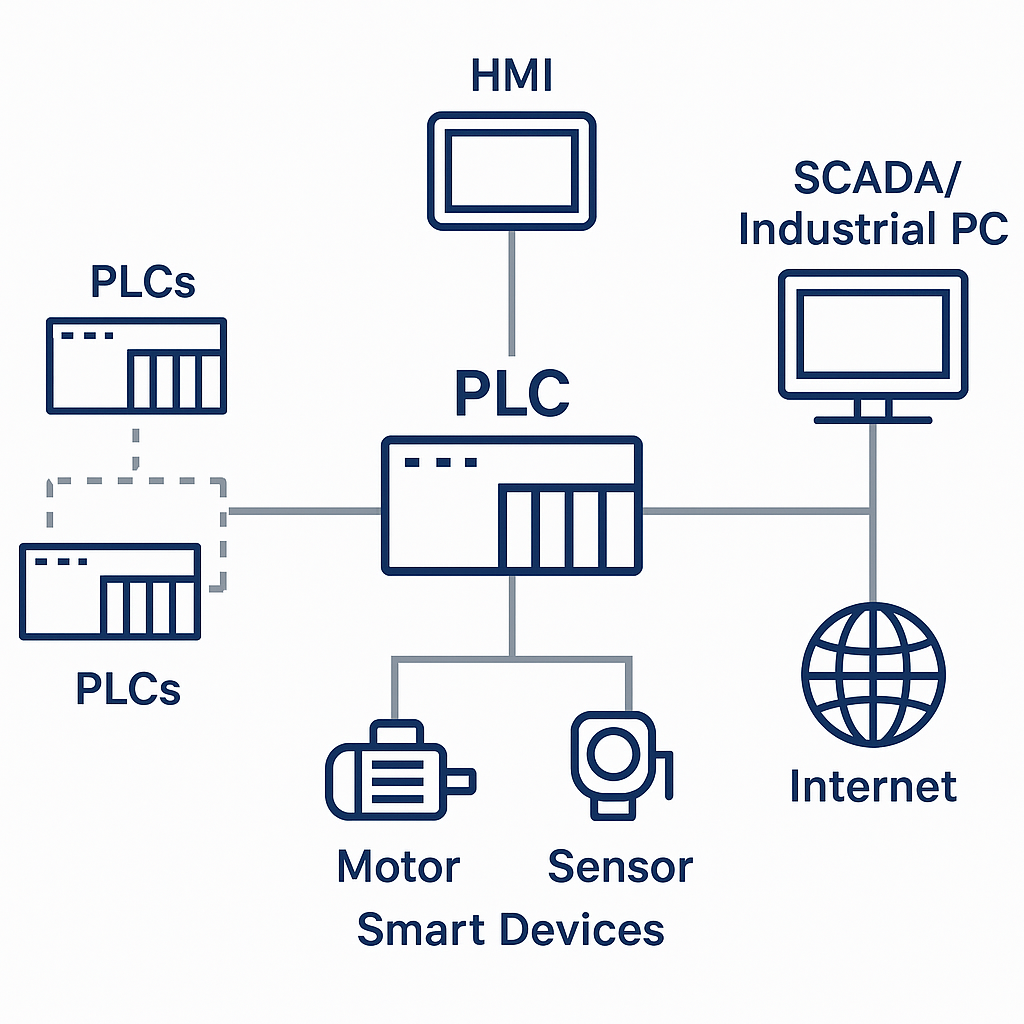
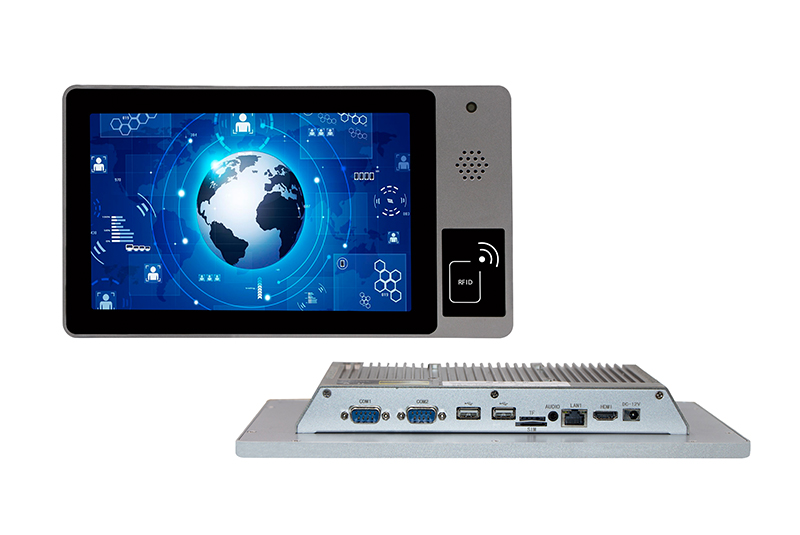
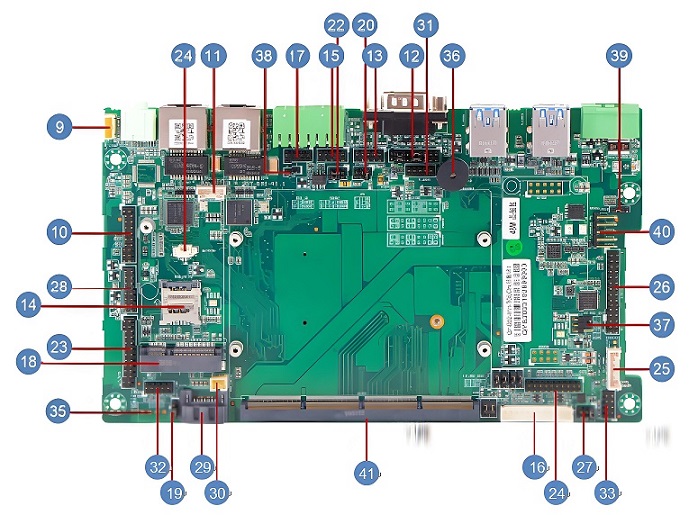
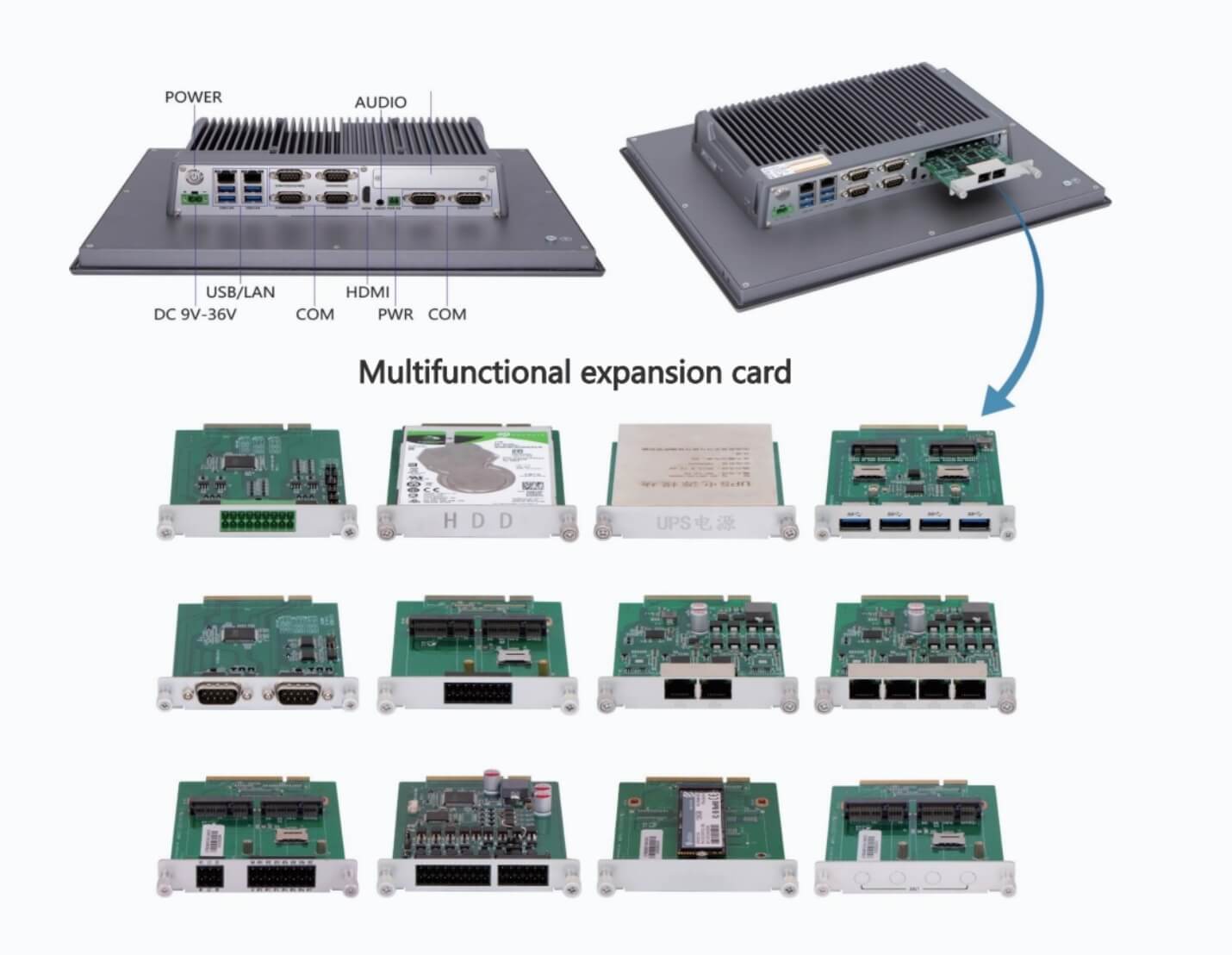
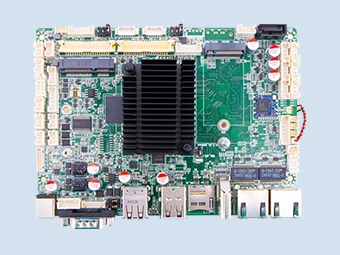
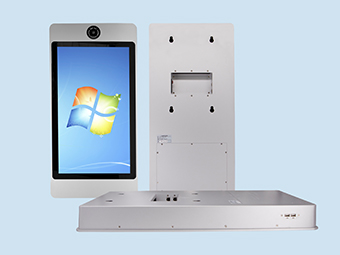
Equipped with a rich array of industrial interfaces, including serial ports, Ethernet ports, and GPIO, industrial panel PCs can directly interface with PLCs, sensors, barcode scanners, and other industrial control components, meeting data acquisition and equipment control needs. They offer diverse installation options, including embedded, wall-mounted, and rack-mounted installations, and are compatible with various industrial equipment integrations. The hardware uses industrial-grade components, which are highly stable and have a long service life. It is mainly used in industrial fields such as production line human-machine interfaces, intelligent monitoring, logistics vehicles, equipment control, and smart terminals. The overall manufacturing cost is higher and the price is much higher than that of ordinary tablets. The core focus is on practicality, stability and environmental adaptability.
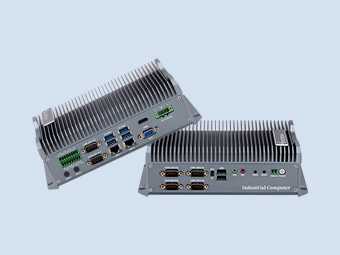
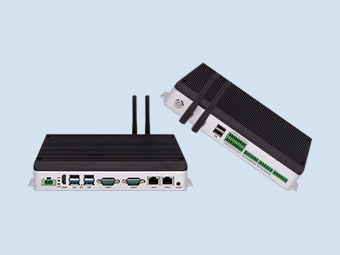
The fanless IPC (fanless industrial computer) core is designed for scenarios with high dust, strong vibration, wide temperature range, requiring 24-hour uninterrupted operation, low noise/dustproof operation, and achieves high reliability and maintenance-free operation through fully sealed passive heat dissipation.
Recommended