


How does the Intel N100 industrial PC perform, and is it sufficient for industrial control applications?
2026-06-29
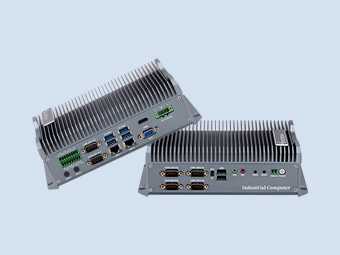
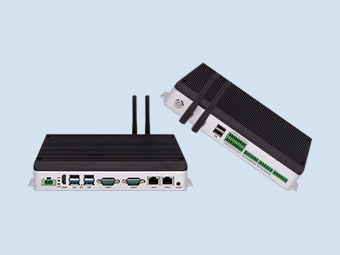
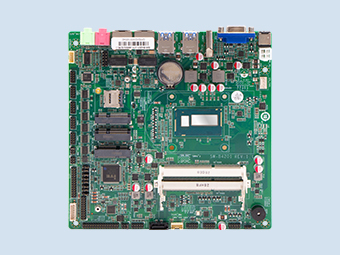
The performance of the Intel N100 industrial PC is more than adequate for most low-load applications. With an ultra-low power consumption of just 6W and a silent, fanless design, it easily handles lightweight daily tasks, making it an ideal choice for industrial control, light office work, and home servers.
Core Performance Assessment
Key Specifications: 4 cores and 4 threads, with a maximum turbo frequency of 3.40 GHz.
It is a processor designed for the low-power market, characterized by ultra-low power consumption and minimal heat generation.
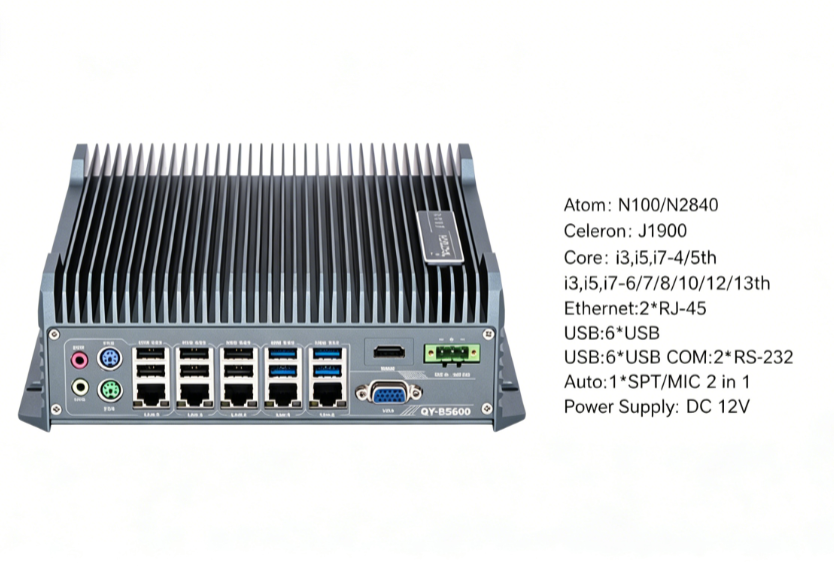
N100 Performance Specifications:
Core count: 4C/4T;
Base frequency: 1.8 GHz;
Max single-core Turbo frequency: 3.40 GHz;
Max all-core Turbo frequency: 3.20 GHz;
CPU cache: 6 MB Intel® Smart Cache;
TDP: 6W;
How to Choose a CPU for Industrial PCs
The key differences between industrial and consumer-grade CPUs lie in their ability to handle wide temperature ranges, ensure stable 24/7 operation, withstand vibration, maintain low power consumption, support extensive I/O expansion, and offer long product lifecycles. Selection is based on four dimensions: processing performance, operating environment, power and thermal characteristics, and lifecycle/interface requirements. The following section outlines how to make a choice based on specific application scenarios.
Intel Core (i3/i5/i7/i9)
Applications: Visual inspection, machine vision, AI vision, host control systems, large-screen visualization, multitasking across multiple software applications.
Advantages: High performance, powerful software decoding capabilities, excellent GPU expandability, and perfect software compatibility.
Intel Celeron / Pentium / J/N Series (Low-power embedded)
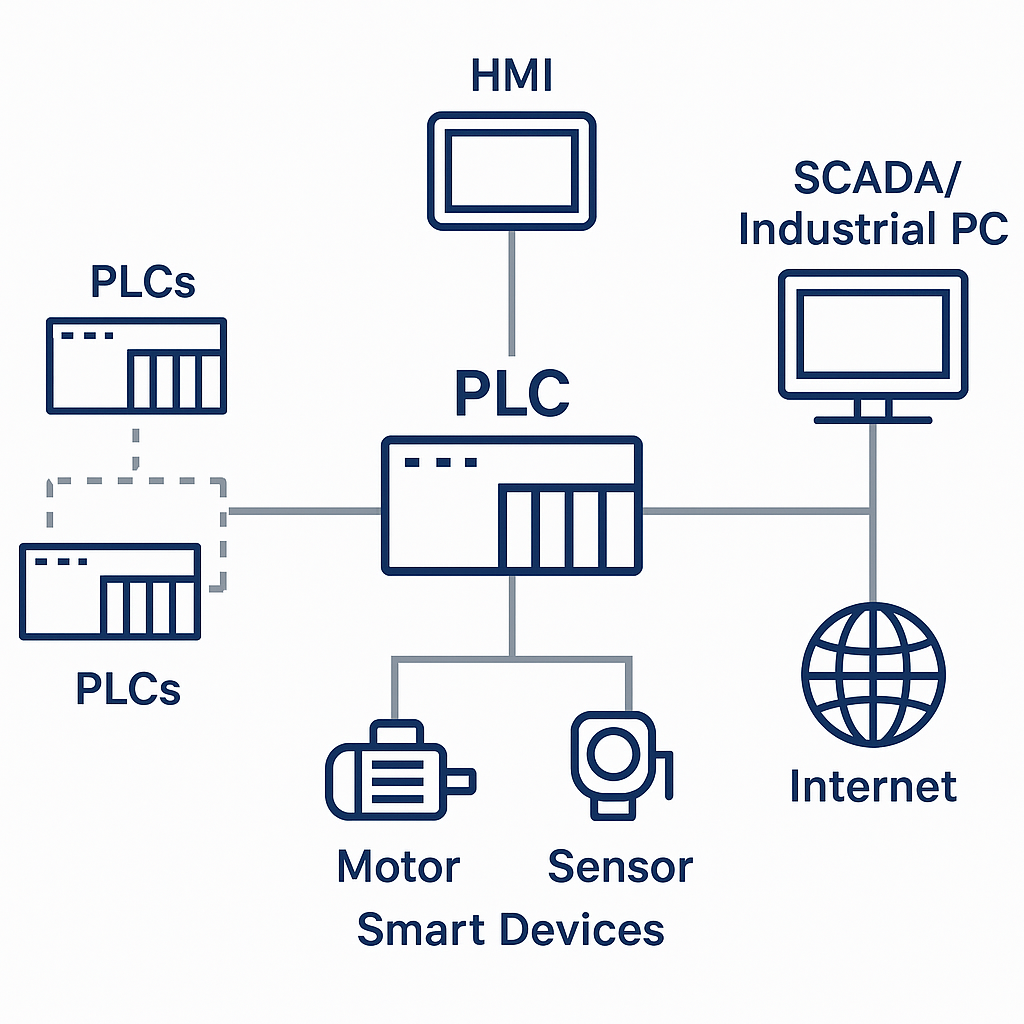
Applications: PLC gateways, data acquisition, access control, production line central control, compact HMIs, edge data collection
Advantages: Ultra-low power consumption (5W–15W), fanless system design, stable operation across a wide temperature range, low cost
Atom / ARM (Rockchip, Phytium, NXP)
Suitable for: Micro-gateways, small edge boxes, localization projects, low-power terminals
Atom: Ultra-low-power, fanless legacy solution; being phased out.
AMD Embedded V2000/V3000
Suitable for: multi-display output, multi-stream video decoding, and cost-effective industrial vision control.
Reference for Key Industrial CPU Parameters
Power Consumption (TDP) – Determines the system's thermal design:
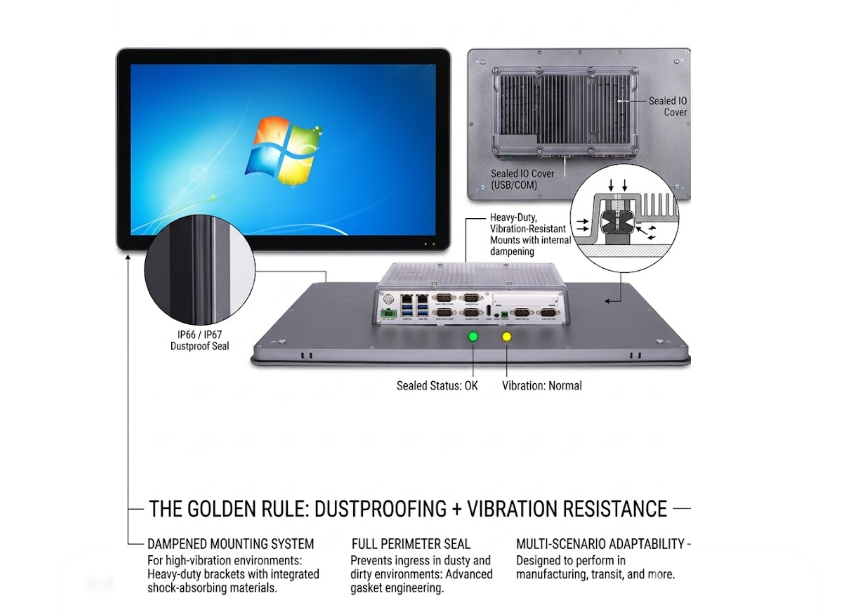
<15W: Suitable for fanless systems; dust-proof and vibration-resistant; ideal for workshop environments with dust or oil contamination.
15–35W: Requires an ultra-thin heatsink and a quiet fan; suitable for standard workshop use.
>35W: Requires large cooling fans; use with caution in workshops with high dust or humidity, as dust accumulation can lead to system shutdowns. For harsh workshop environments, prioritize low-power U-series or N-series processors (under 15W).
Fanless, sealed industrial PCs: Strictly limit total full-load power consumption to under 15W; prioritize N/J-series low-power CPUs; minimize PCIe expansion cards and avoid high-speed NVMe drives.
· Multi-vision / GPU-equipped industrial PCs: Power consumption is dominated by the graphics card; match power supply and chassis cooling specifications to the GPU's power requirements.
· In-vehicle / mobile vibration-resistant industrial PCs: Use low-power, fanless designs; ensure peak power consumption does not exceed the output capacity of the vehicle's DC power source.
· Multi-port software routers / edge gateways: Expansion network cards significantly increase motherboard power consumption; factor in an additional 3–5W per card during calculations.
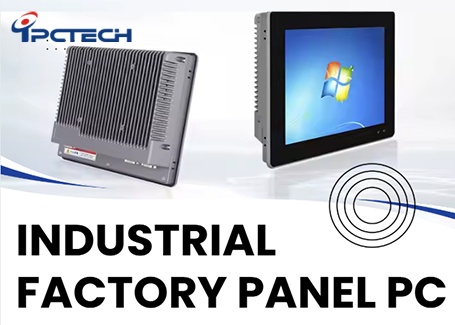
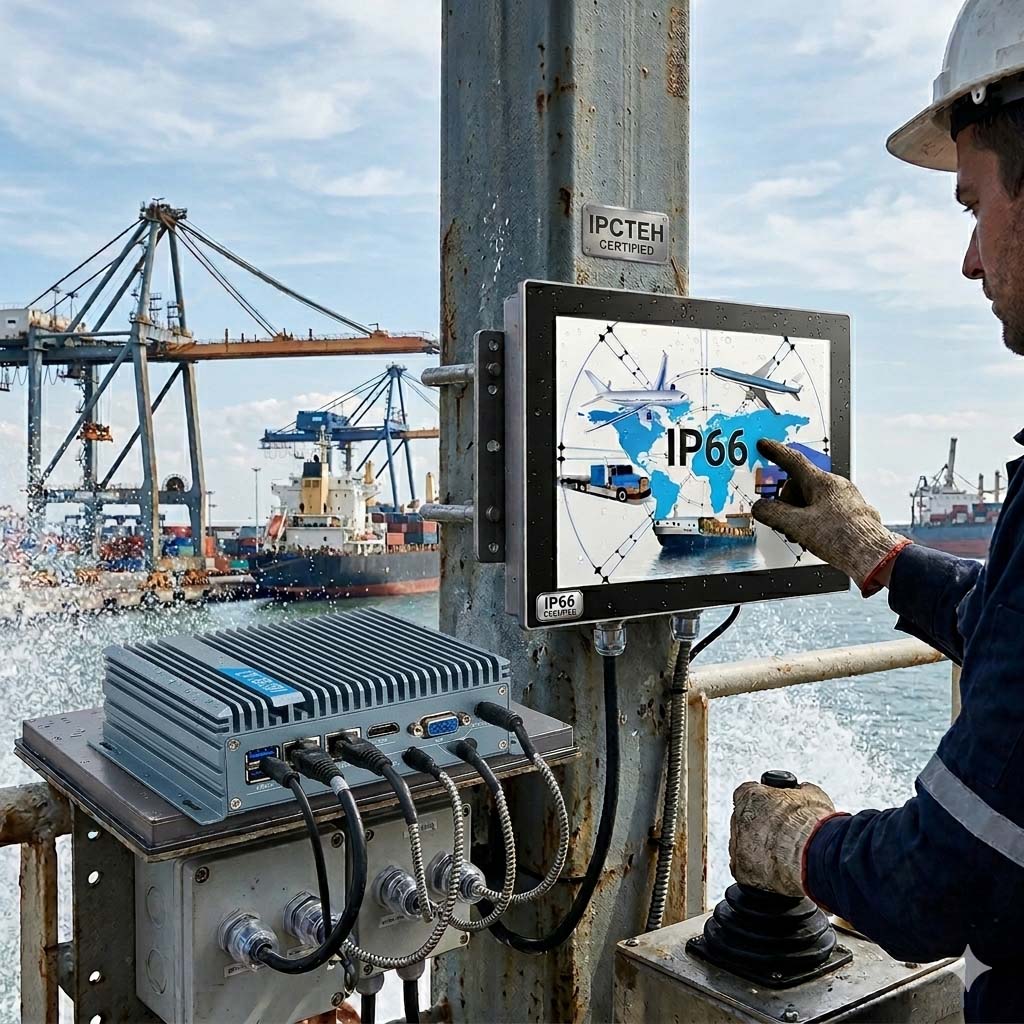
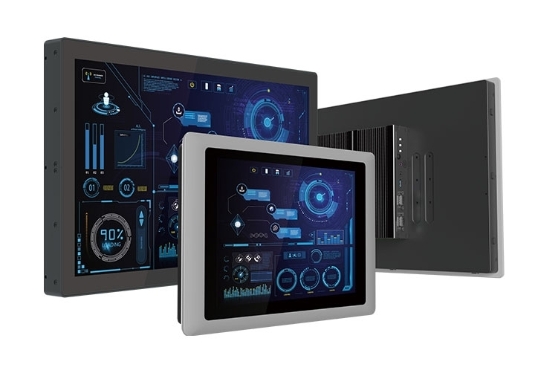
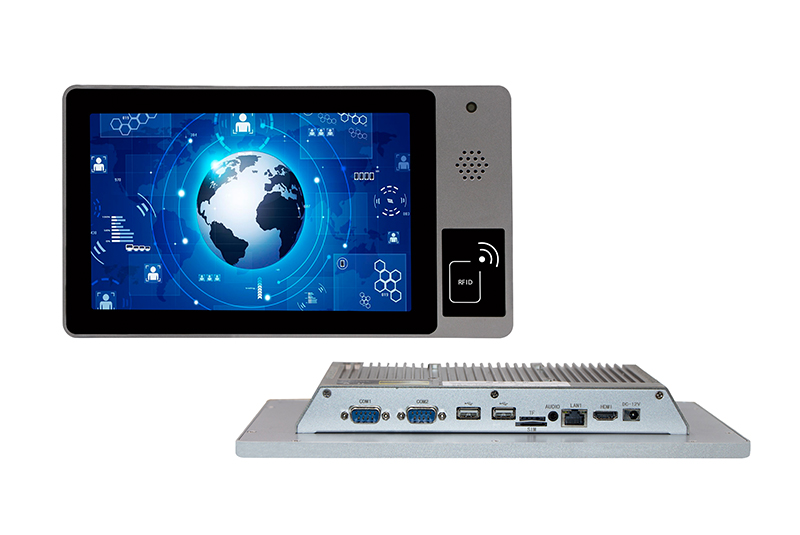
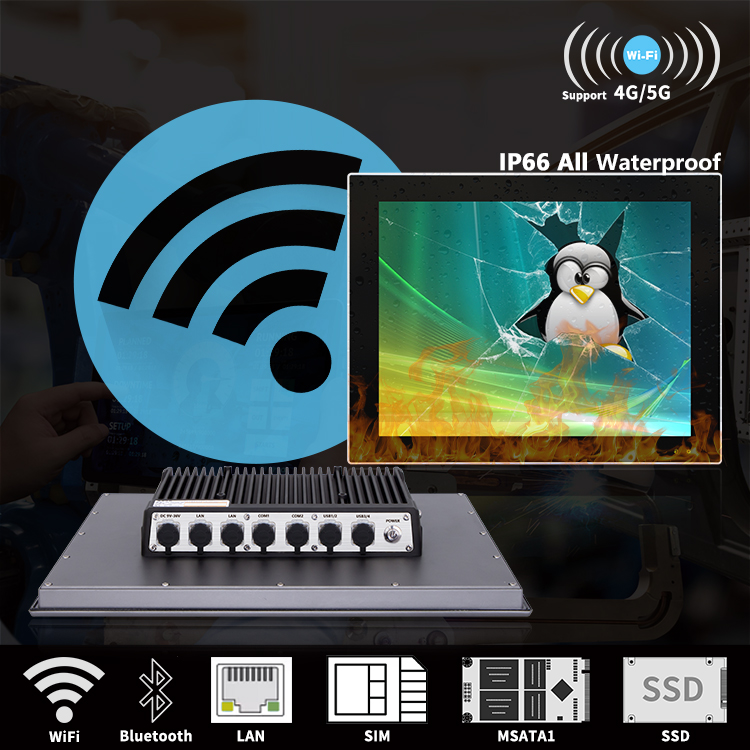
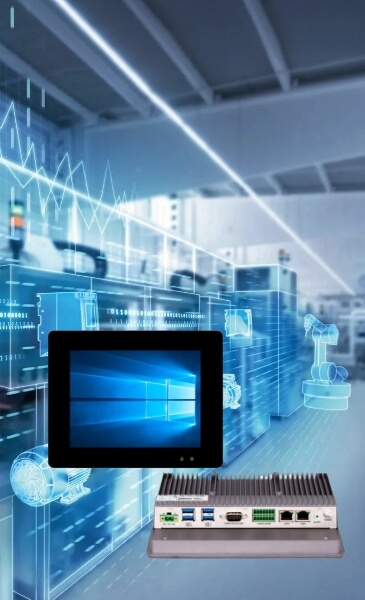
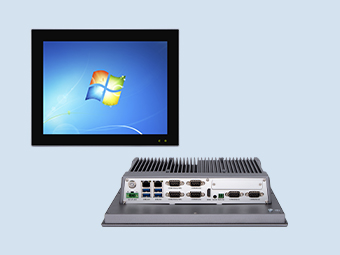
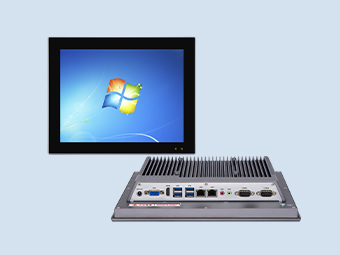
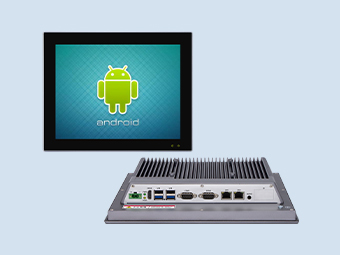
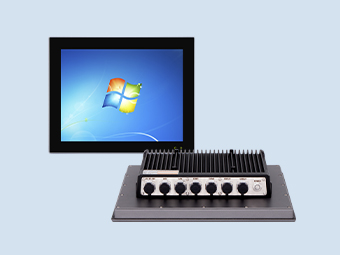
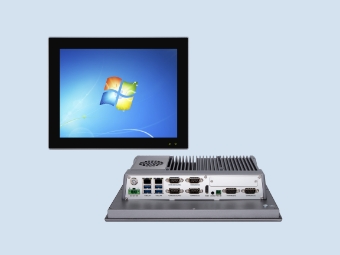
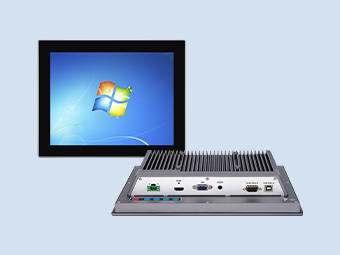
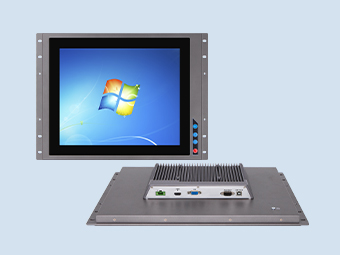
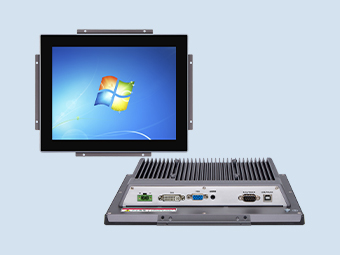
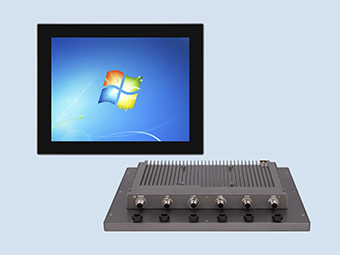
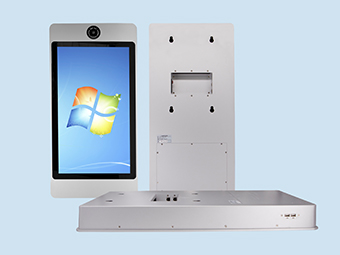
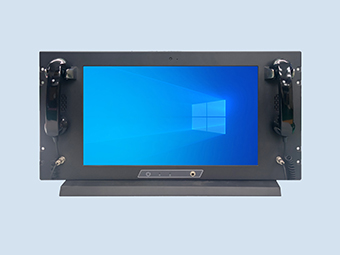
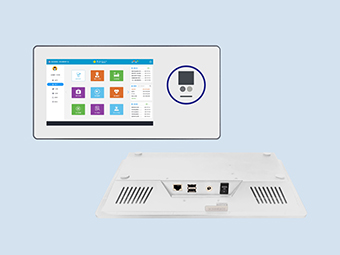
IPCTECH industrial panel PCs are industrial control computers designed specifically for industrial applications. While their basic performance and compatibility are comparable to those of commercial PCs, they prioritize safety and stability across diverse operating environments, offering optimal solutions for human-machine interfaces (HMI) and production process control.
Recommended
.jpg)