


Categories and Functions of Industrial Touchscreens
2026-04-24
Industrial touchscreen categories are primarily classified based on their technical principles and structural characteristics:
Technical Classification
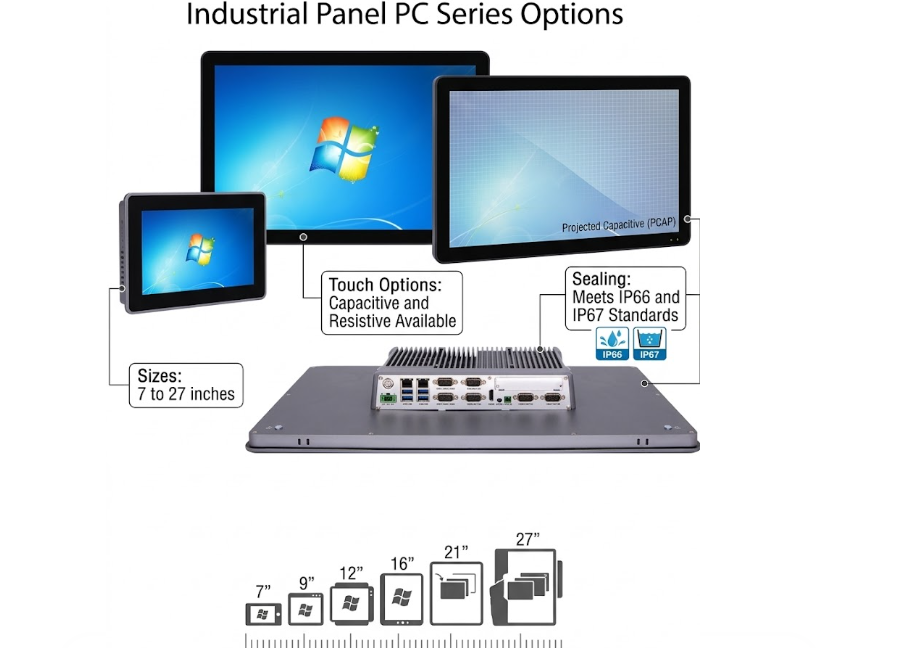
Resistive Touchscreen : Uses resistive technology to detect touch points through contact between two layers of conductive film. It offers advantages such as low cost and ease of maintenance, though its response speed is relatively slow.Capacitive Touchscreen: Utilizes capacitive sensing technology sensitive to conductive objects like fingers. It is characterized by high sensitivity, high resolution, and low power consumption. It supports multi-touch and is widely used in high-end industrial tablet PCs.
Surface Acoustic Wave (SAW) Touchscreen : Employs acoustic wave sensing technology to determine touch location by detecting changes in surface acoustic waves. It features high sensitivity, high precision, long lifespan, and strong anti-interference capabilities.
Infrared Touchscreen : Uses infrared sensors to detect touch operations. It is known for fast response speeds, strong stability, excellent durability, and is unaffected by ambient light.
Structural Classification
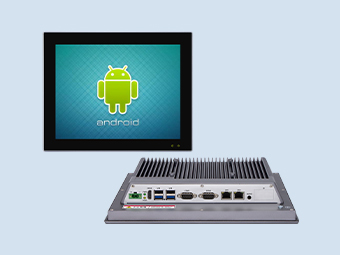
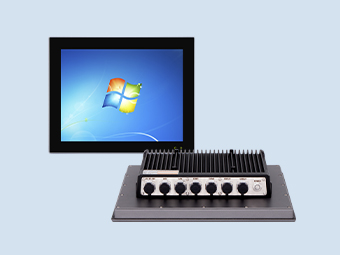
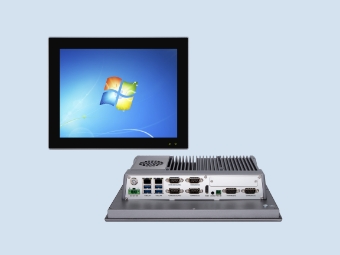
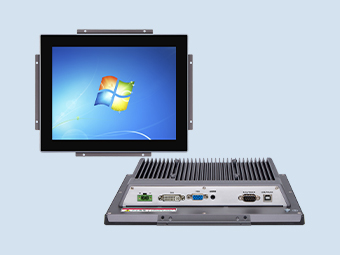
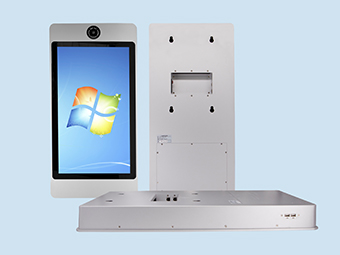
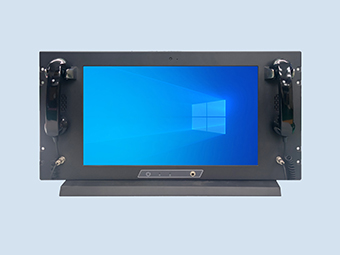
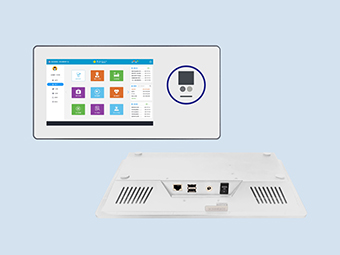
Open Frame : Exposed directly without a front bezel, suitable for applications requiring custom integration or direct touch access.Wall-mount : Installed on walls to save space and facilitate easy operation.
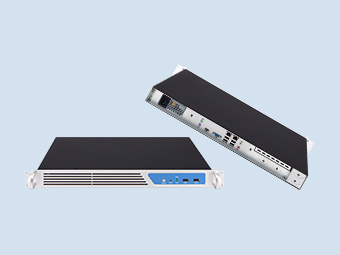
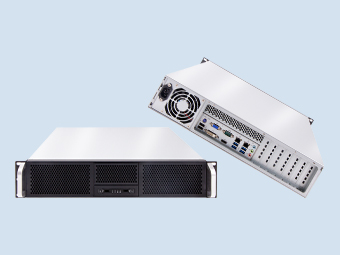
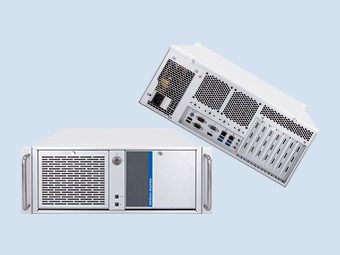
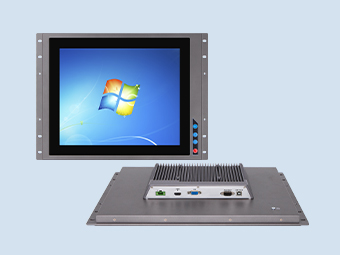
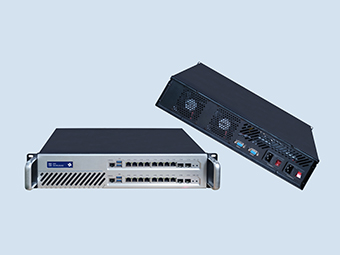
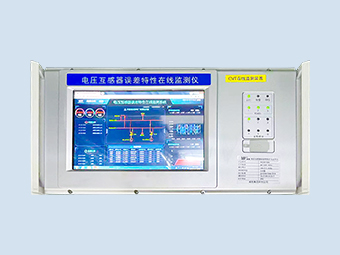
Rack-mount: Installed within racks or cabinets, ideal for centralized management in industrial control systems.
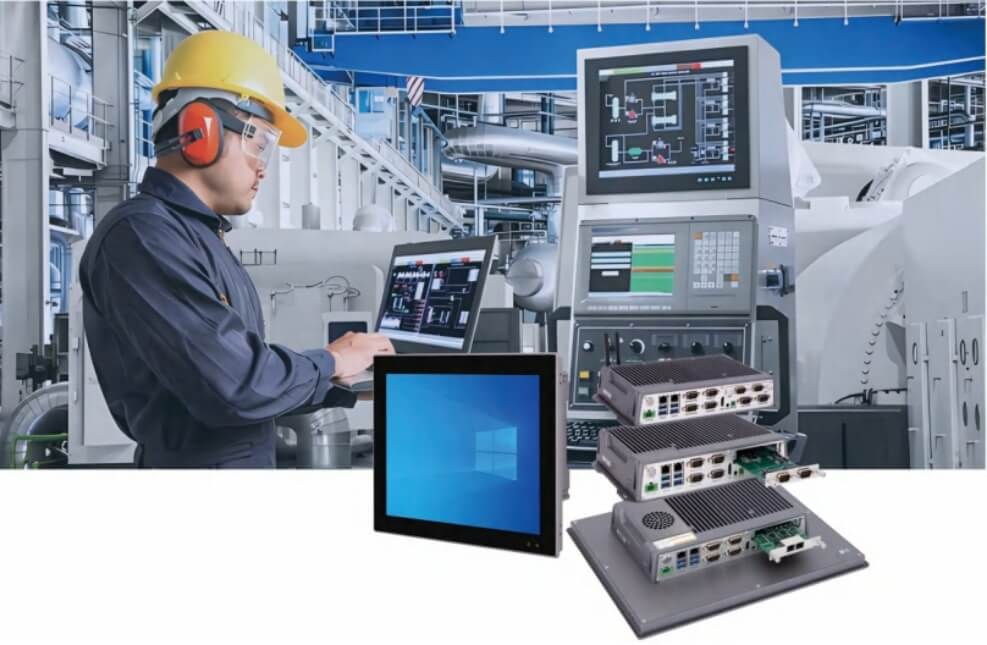
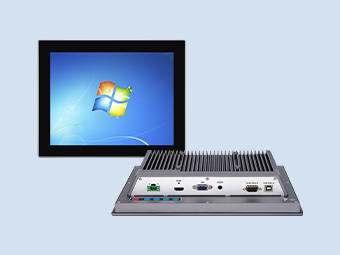
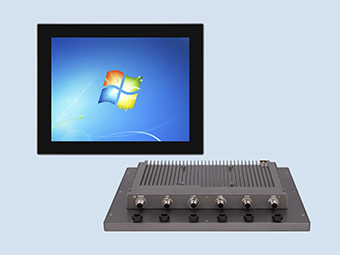
Panel-mount / Embedded : Embedded into equipment or panels to integrate seamlessly with the device; it is aesthetically pleasing and space-efficient.
Rear-mount / Inverted: Installed with the touchscreen facing downward or from the rear, tailored for specific working environments or specialized requirements.
Core Functions
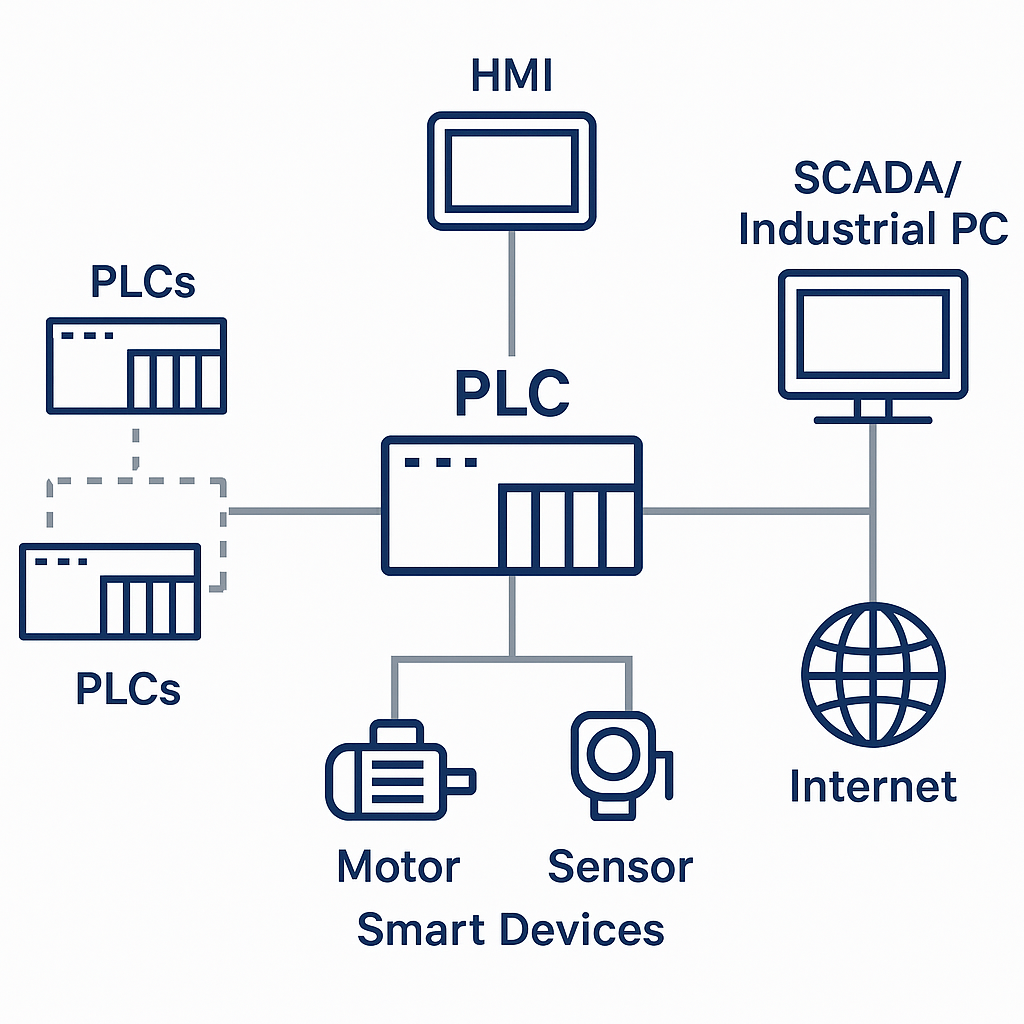
Real-time Data Monitoring : Visualizing operational parameters from PLCs and sensors.
Human-Machine Interaction : Replacing physical buttons with digital controls for parameter setting and equipment operation.
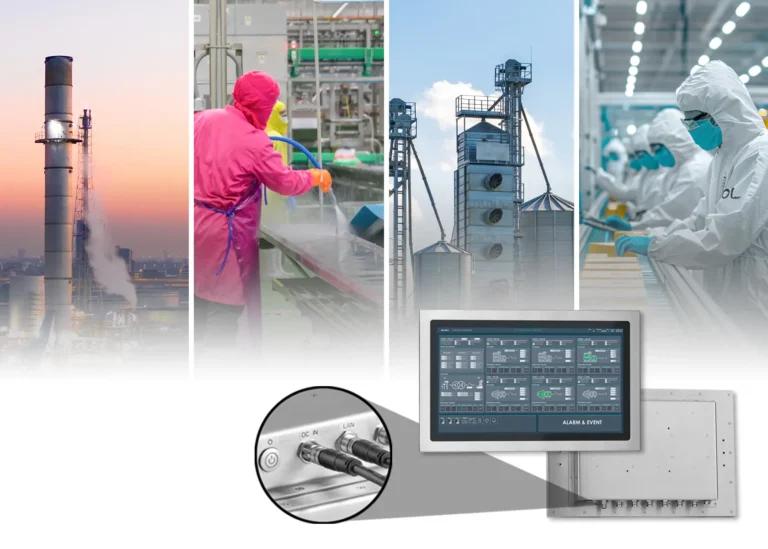
Alarm and Event Logging : Automatically recording faults and triggering visual or audible alerts.
Communication Protocol Support: Compatible with protocols like Modbus, CANbus, or EtherNet/IP for seamless system integration.
Environmental Protection : Often rated IP65 or higher to resist dust, water, and extreme temperatures.
Communication Protocol Support: Compatible with protocols like Modbus, CANbus, or EtherNet/IP for seamless system integration.
Environmental Protection : Often rated IP65 or higher to resist dust, water, and extreme temperatures.
Functions and Structural Composition of Industrial Touchscreens
Industrial touchscreens offer a diverse range of functions designed to meet the rigorous demands of industrial environments:Key Functions
Intuitive Touch Operation: Enables seamless interaction through gestures like sliding, clicking, and dragging, significantly streamlining user operational workflows.Versatile Display Capabilities: Capable of displaying comprehensive information, including text, high-resolution images, and videos, suitable for industrial control, monitoring, and management scenarios.
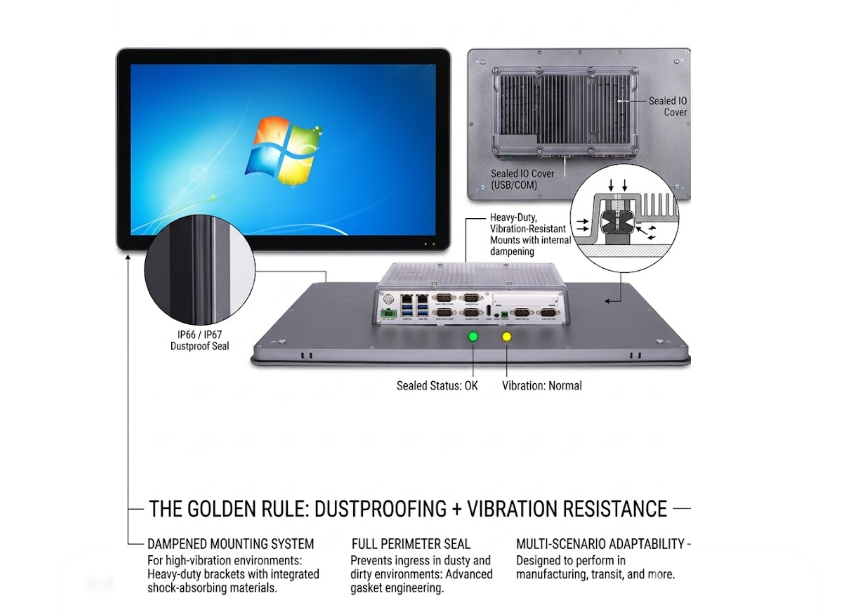
IP-Rated Protection (Waterproof & Dustproof): Engineered with high ingress protection (IP) ratings to ensure reliable performance in harsh environments exposed to dust, water, and oil.
Shock and Pressure Resistance: Built to withstand mechanical vibrations and physical impacts, ensuring operational stability in heavy-duty settings.
High Brightness & Contrast: Delivers clear visuals under both direct sunlight and low-light conditions, ensuring maximum visibility for operators.
Multi-touch Technology: Supports simultaneous multi-point interaction, enhancing operational flexibility and efficiency in complex interfaces.
Extended Multimedia Features: Some models integrate additional capabilities such as projection, conferencing, and multimedia support to meet diverse application needs.
Structural Composition and Technical Analysis
The performance of an industrial touchscreen is largely determined by its underlying hardware architecture:Capacitive Touch Technology: Determines touch coordinates by detecting minute changes in electrical current when the human body contacts the screen. It offers superior precision and faster response times compared to resistive technology.
LED Backlighting: Utilizes light-emitting diodes as the light source. Compared to traditional CCFL (Cold Cathode Fluorescent Lamp) backlights, LED technology offers lower power consumption, higher luminous efficiency, and a significantly longer service life.
Case Study: Industrial Control Configuration
In a typical industrial control scenario, a 27-inch LED screen with a 3ms response time is configured to handle high-speed dynamic displays without motion blur.
Luminance & Clarity: Using electroluminescence principles, the LED backlight ensures uniform brightness distribution. An average brightness of 350 nits maintains excellent legibility even under the intense lighting of a factory floor.
Precision Interaction: Capacitive multi-touch technology utilizes human body induction for precise input. Its 10-point touch capability supports collaborative operations or complex gesture commands, providing higher sensitivity and durability than resistive screens.
Ruggedized Design: The combination of a true-flat front panel and Level-7 explosion-proof glass (IK-rated) effectively defends against dust, water splashes, and mechanical impacts.
Thermal Management: Internal metal heat sinks utilize high thermal conductivity to dissipate heat efficiently, ensuring the stability and longevity of the device during 24/7 continuous operation.
Recommended