



How is heat dissipation handled in fanless computers?
2026-04-28
Thermal Management Solutions for Fanless Industrial PCs: Principles, Advantages, and Application Scenarios
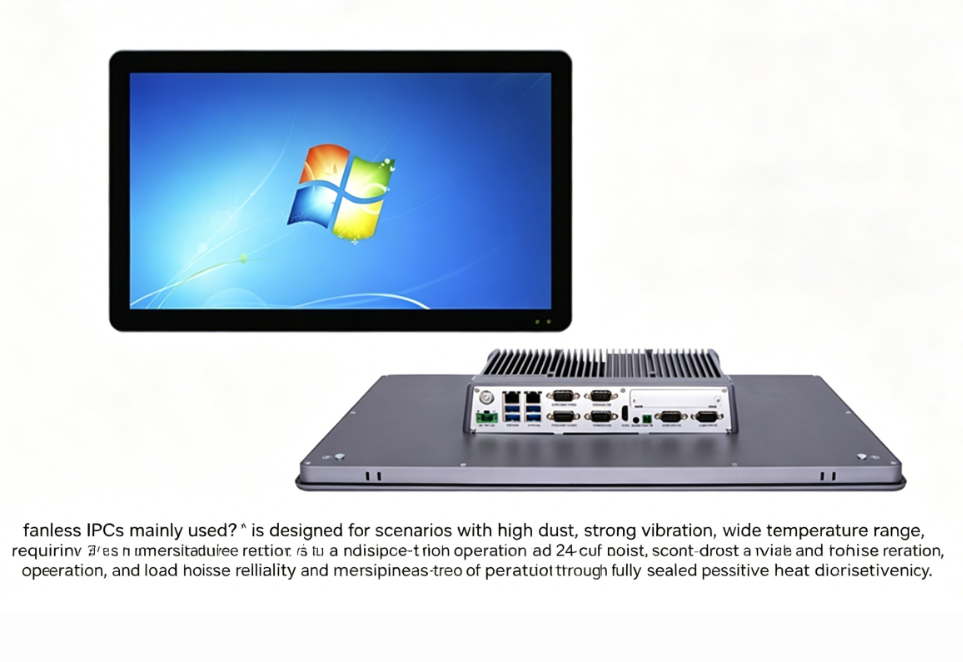
In harsh industrial environments characterized by high temperatures, high humidity, and heavy dust, traditional fan-cooled computers frequently suffer from cooling failures caused by dust accumulation, which in turn triggers system malfunctions or even complete crashes. Fanless industrial PCs, by contrast, employ a passive cooling design; they rely on their metal chassis for efficient heat conduction—combined with low-power, high-performance Intel processors—to ensure long-term system stability. This design not only eliminates the risks associated with fan failure but also significantly enhances the device's durability and reliability in adverse conditions. Furthermore, as they contain no mechanical moving parts, these units operate with virtually zero noise, making them ideally suited for enclosed environments or in-vehicle applications where strict requirements for silent operation are paramount.
The Basic Principles of Passive Cooling
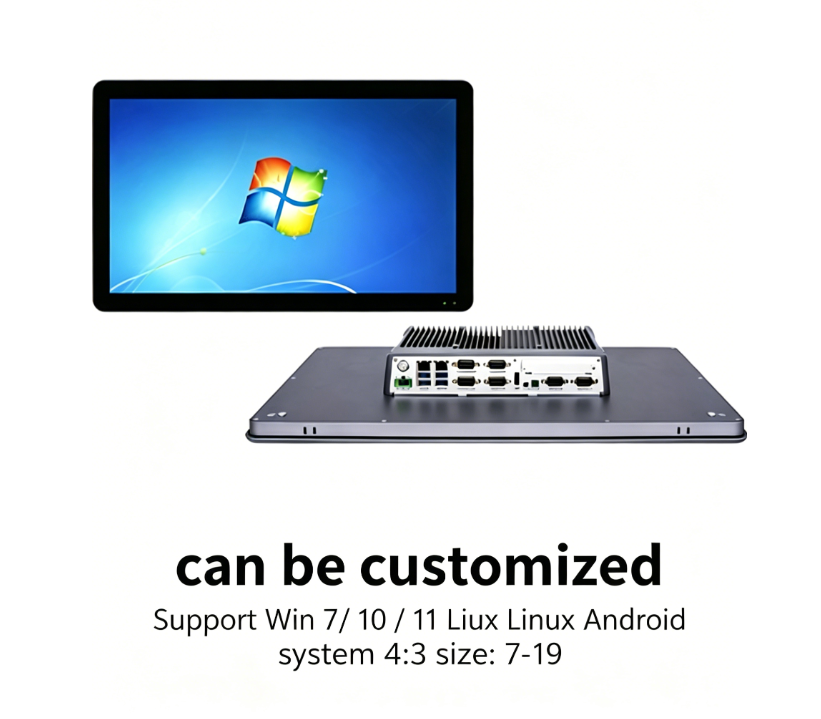
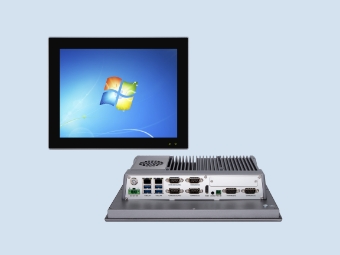
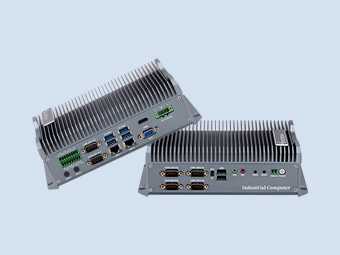
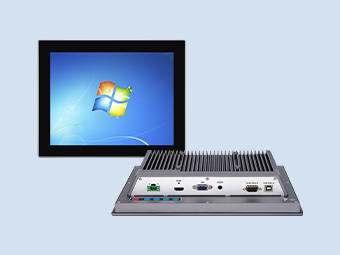
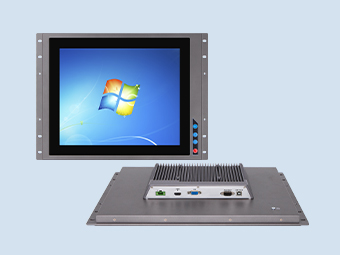
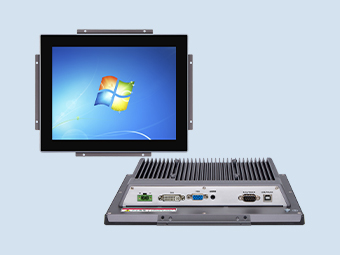
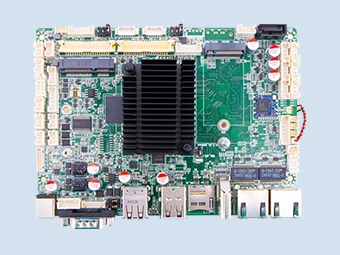
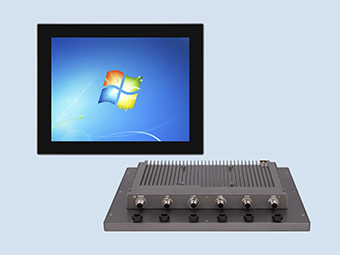
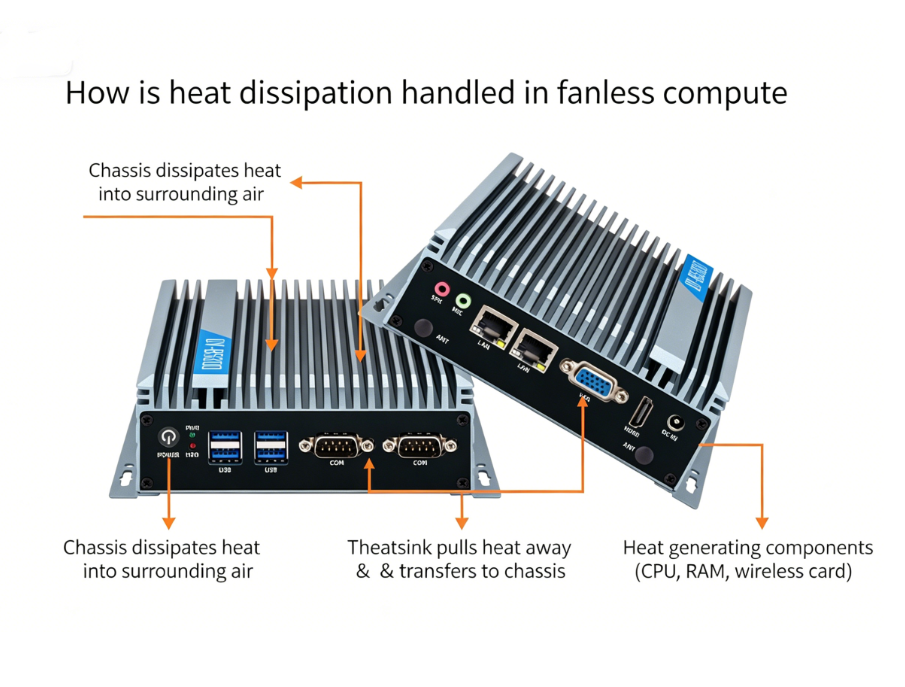
Passive cooling primarily relies on thermal conduction and natural convection to dissipate heat. Embedded fanless industrial PCs utilize components such as large-surface heat sinks, heat spreader plates, and heat pipes to transfer the heat generated by internal electronic components to the surface of the enclosure. Subsequently, the temperature differential between the enclosure and the surrounding air generates natural convection, thereby carrying the heat away. Some high-end products also incorporate specialized aluminum or copper alloys, combined with optimized thermal structural designs, to further enhance cooling efficiency.
Key Advantages of Fanless Cooling
High Reliability: The fanless design minimizes the use of mechanical components, thereby reducing the risk of system overheating caused by fan failure—making it particularly well-suited for industrial environments with extremely stringent stability requirements.
Dust-Resistant and Durable:Since there are no rotating fans to draw in dust, the device's interior remains clean, which contributes significantly to extending its service life.
Silent Operation:With no mechanical moving parts, the entire unit operates silently, making it ideal for enclosed spaces, laboratories, medical facilities, or in-vehicle applications where low noise levels are essential.
Adaptability to Harsh Environments: Featuring a rugged metal enclosure and a sealed design, the unit is capable of withstanding common industrial challenges such as dust, humidity, and vibration.
Limitations of Passive Cooling and Mitigation Strategies
The effectiveness of passive cooling is influenced by ambient temperature and device power consumption. When ambient temperatures are high, or when components such as the CPU are operating under heavy load, relying solely on passive cooling may be insufficient to fully manage temperature rise. To address this, manufacturers typically employ the following strategies:
Selecting low-power processors to control heat generation at the design source.
Utilizing highly thermally conductive materials (such as thermal paste or metal pads) to enhance heat transfer efficiency.
Optimizing the shape and layout of heat sinks to maximize surface area and enhance natural convection.
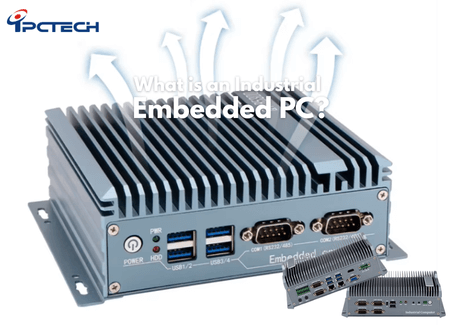
Currently, numerous renowned brands of embedded, fanless industrial PCs have successfully validated the feasibility of passive cooling. For instance, IPCTech’s products leverage unique thermal management technologies to achieve exceptional heat dissipation—without compromising performance—enabling them to operate stably in environments characterized by extreme temperatures and complex industrial conditions.
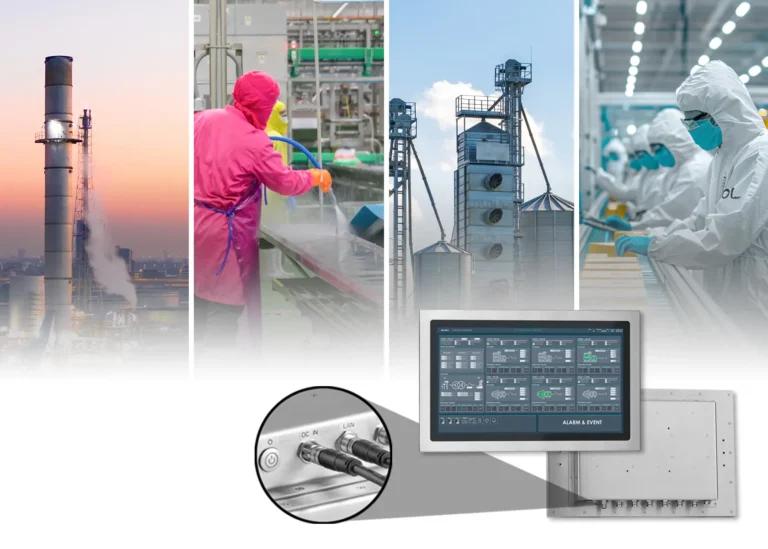
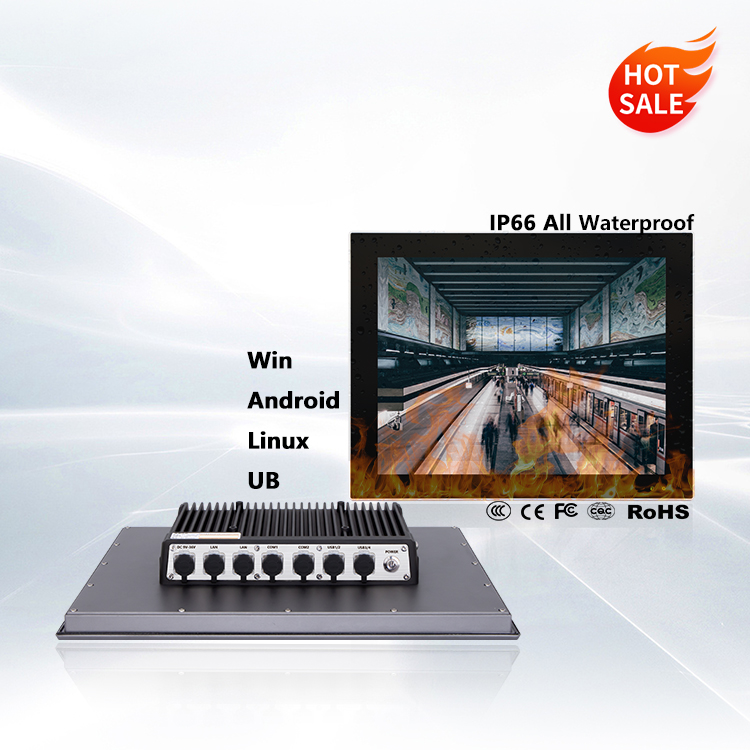
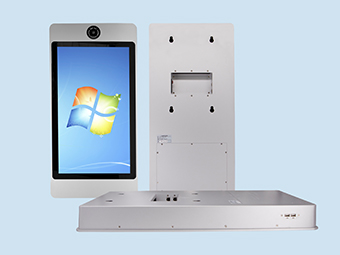
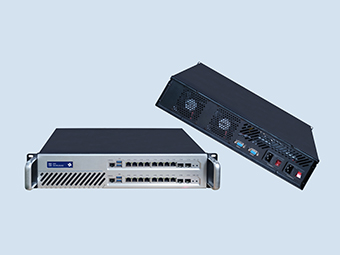
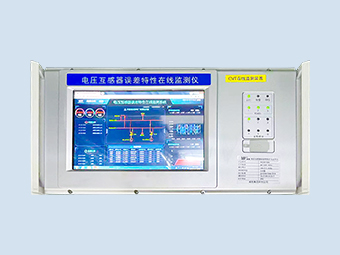
IPCTech’s fanless products demonstrate exceptional reliability in the most demanding environments, offering a wide range of customization options. Featuring rugged and durable models that are waterproof, explosion-proof, dustproof, and capable of high-temperature operation, they ensure stable performance where it matters most.
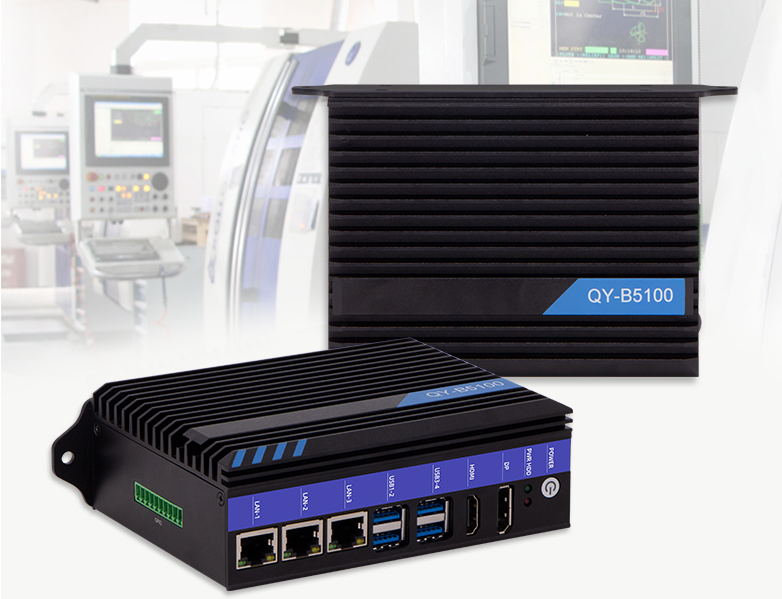
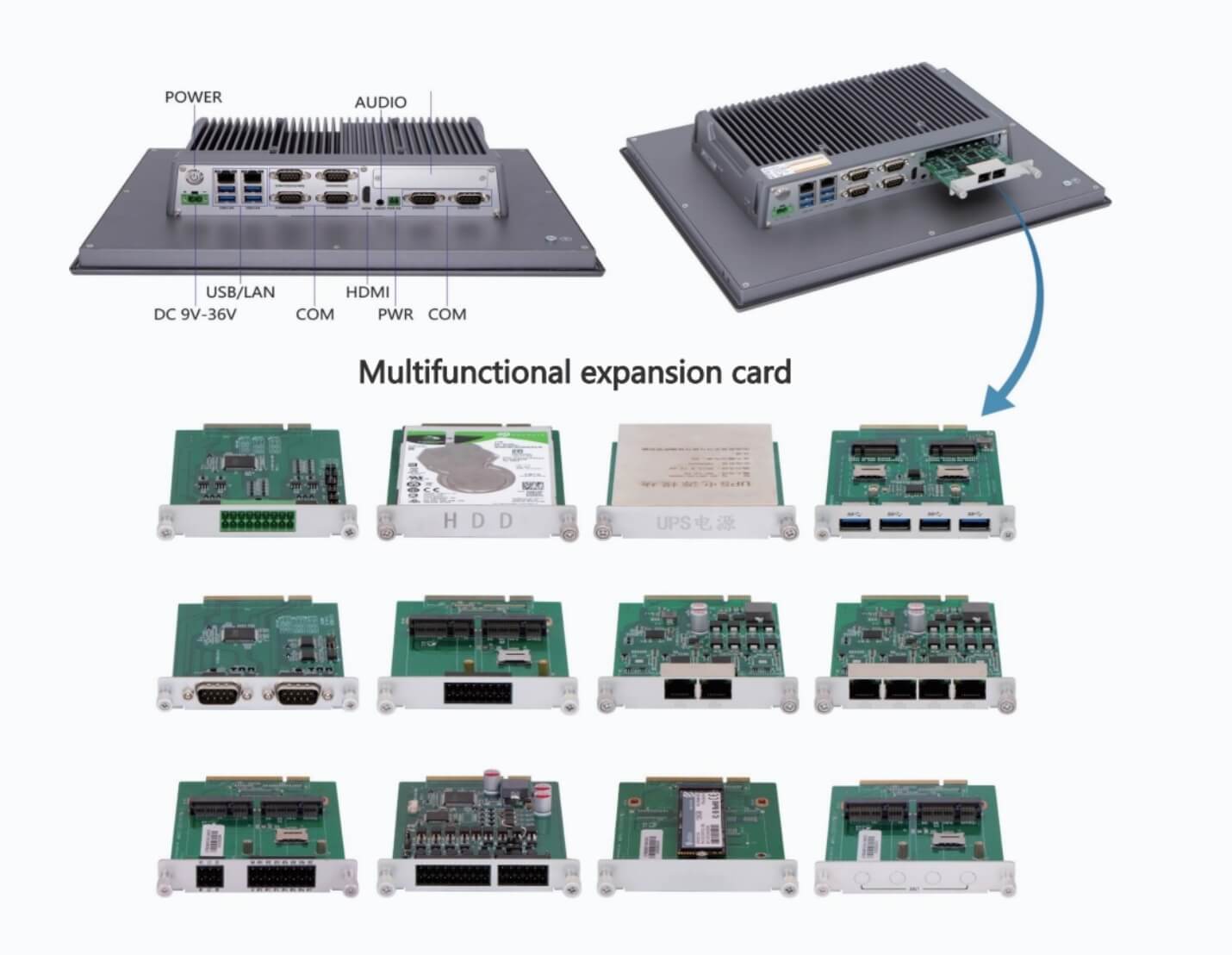
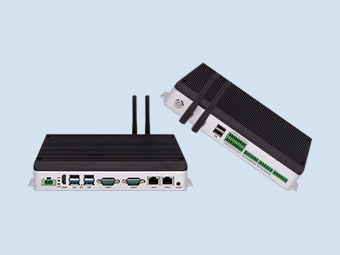
These fanless Mini PCs can be mounted behind VESA-compatible displays, on walls, on DIN rails, or on desktops. However—designed specifically for industrial applications—they are built entirely with industrial-grade components and feature fanless operation.
Overall, the adoption of passive cooling in embedded fanless industrial PCs represents a viable and effective solution. Although their heat dissipation capabilities may not match those of active fan-based systems in scenarios involving extreme temperatures or heavy workloads, the significant advantages offered by fanless designs—particularly in terms of reliability, silent operation, dust resistance, and extended maintenance cycles—make them the ideal choice for the majority of industrial applications. When selecting a system, users should still conduct a comprehensive evaluation based on their specific application requirements, ambient temperatures, and workload conditions. For deployments in high-temperature environments or for tasks involving heavy-load data processing, it is recommended to incorporate auxiliary cooling measures to ensure the system's long-term stability and reliable operation.
In harsh industrial environments characterized by high temperatures, high humidity, and heavy dust, traditional fan-cooled computers frequently suffer from cooling failures caused by dust accumulation, which in turn triggers system malfunctions or even complete crashes. Fanless industrial PCs, by contrast, employ a passive cooling design; they rely on their metal chassis for efficient heat conduction—combined with low-power, high-performance Intel processors—to ensure long-term system stability. This design not only eliminates the risks associated with fan failure but also significantly enhances the device's durability and reliability in adverse conditions. Furthermore, as they contain no mechanical moving parts, these units operate with virtually zero noise, making them ideally suited for enclosed environments or in-vehicle applications where strict requirements for silent operation are paramount.
The Basic Principles of Passive Cooling
Passive cooling primarily relies on thermal conduction and natural convection to dissipate heat. Embedded fanless industrial PCs utilize components such as large-surface heat sinks, heat spreader plates, and heat pipes to transfer the heat generated by internal electronic components to the surface of the enclosure. Subsequently, the temperature differential between the enclosure and the surrounding air generates natural convection, thereby carrying the heat away. Some high-end products also incorporate specialized aluminum or copper alloys, combined with optimized thermal structural designs, to further enhance cooling efficiency.
Key Advantages of Fanless Cooling
High Reliability: The fanless design minimizes the use of mechanical components, thereby reducing the risk of system overheating caused by fan failure—making it particularly well-suited for industrial environments with extremely stringent stability requirements.
Dust-Resistant and Durable:Since there are no rotating fans to draw in dust, the device's interior remains clean, which contributes significantly to extending its service life.
Silent Operation:With no mechanical moving parts, the entire unit operates silently, making it ideal for enclosed spaces, laboratories, medical facilities, or in-vehicle applications where low noise levels are essential.
Adaptability to Harsh Environments: Featuring a rugged metal enclosure and a sealed design, the unit is capable of withstanding common industrial challenges such as dust, humidity, and vibration.
Limitations of Passive Cooling and Mitigation Strategies
The effectiveness of passive cooling is influenced by ambient temperature and device power consumption. When ambient temperatures are high, or when components such as the CPU are operating under heavy load, relying solely on passive cooling may be insufficient to fully manage temperature rise. To address this, manufacturers typically employ the following strategies:
Selecting low-power processors to control heat generation at the design source.
Utilizing highly thermally conductive materials (such as thermal paste or metal pads) to enhance heat transfer efficiency.
Optimizing the shape and layout of heat sinks to maximize surface area and enhance natural convection.
Practical Applications and Brand Examples
Currently, numerous renowned brands of embedded, fanless industrial PCs have successfully validated the feasibility of passive cooling. For instance, IPCTech’s products leverage unique thermal management technologies to achieve exceptional heat dissipation—without compromising performance—enabling them to operate stably in environments characterized by extreme temperatures and complex industrial conditions.
IPCTech’s fanless products demonstrate exceptional reliability in the most demanding environments, offering a wide range of customization options. Featuring rugged and durable models that are waterproof, explosion-proof, dustproof, and capable of high-temperature operation, they ensure stable performance where it matters most.
These fanless Mini PCs can be mounted behind VESA-compatible displays, on walls, on DIN rails, or on desktops. However—designed specifically for industrial applications—they are built entirely with industrial-grade components and feature fanless operation.
Fanless Cooling: A Trusted Choice for Industrial Applications
Overall, the adoption of passive cooling in embedded fanless industrial PCs represents a viable and effective solution. Although their heat dissipation capabilities may not match those of active fan-based systems in scenarios involving extreme temperatures or heavy workloads, the significant advantages offered by fanless designs—particularly in terms of reliability, silent operation, dust resistance, and extended maintenance cycles—make them the ideal choice for the majority of industrial applications. When selecting a system, users should still conduct a comprehensive evaluation based on their specific application requirements, ambient temperatures, and workload conditions. For deployments in high-temperature environments or for tasks involving heavy-load data processing, it is recommended to incorporate auxiliary cooling measures to ensure the system's long-term stability and reliable operation.
Recommended