


How do you choose a CPU for an industrial computer?
2026-06-06
In industrial automation and control systems, industrial PCs are critical devices for machine control and data processing. Selecting the right CPU (Central Processing Unit) is essential to ensuring the performance and stability of the industrial PC. This article explores the factors to consider when choosing a CPU for an industrial PC.
The CPU determines system performance and is therefore a critical factor when selecting a motherboard; industrial computer manufacturers—including DFI—design their motherboards with the CPU type as the core consideration. The CPU market remains dominated by Intel and AMD. Intel has established a strong presence in non-consumer sectors and actively cultivated partnerships within the industrial computer industry, resulting in a higher market share in this field. However, AMD has been rapidly catching up in recent years, gaining market share through the launch of multiple high-performance CPUs.
In the industrial computing sector, both companies possess distinct strengths: Intel excels in performance, while AMD holds a significant advantage in pricing. With the recent rise of intelligent systems, CPU performance and cost directly impact other aspects of system design. Consider, for instance, digital content playback systems used in retail to attract consumers with high-resolution audiovisuals; these systems place heavy demands on CPU performance. From a functional architecture perspective, if space and budget are constrained yet the system requires high image quality or multi-monitor support, an AMD CPU with integrated graphics is an excellent choice. However, if a discrete graphics card is used, Intel gains the upper hand due to its superior performance in data compression rates and response speeds.
How to choose CPU?
I. Understanding the Specific Requirements of Industrial PCs
1. Environmental Adaptability
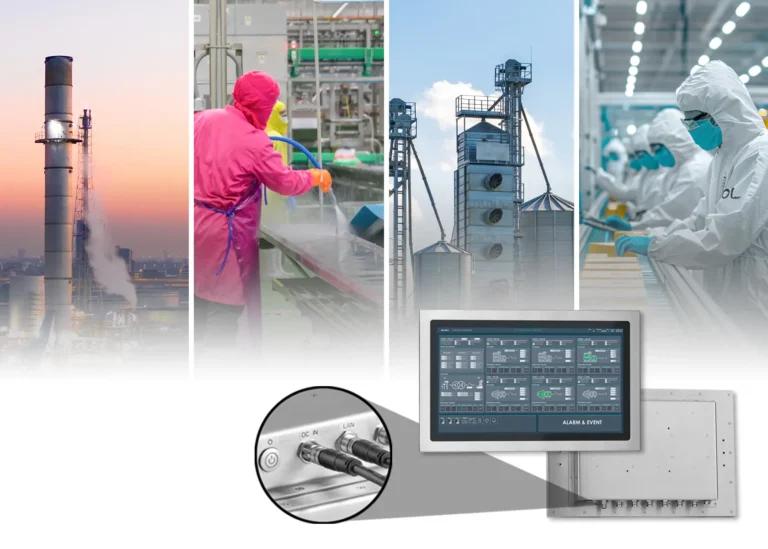
Industrial PCs typically operate in harsh environments characterized by high or low temperatures, high humidity, dust, or vibration. Consequently, their CPUs must be capable of withstanding these extreme conditions while maintaining optimal performance and stability.
2. Long-Term Stable Operation
Unlike standard consumer PCs, industrial PCs may require continuous, uninterrupted operation over extended periods; this necessitates CPUs that offer low failure rates and exceptional durability.
II. Common CPU Options for Industrial PCs
1. x86 Architecture CPUs
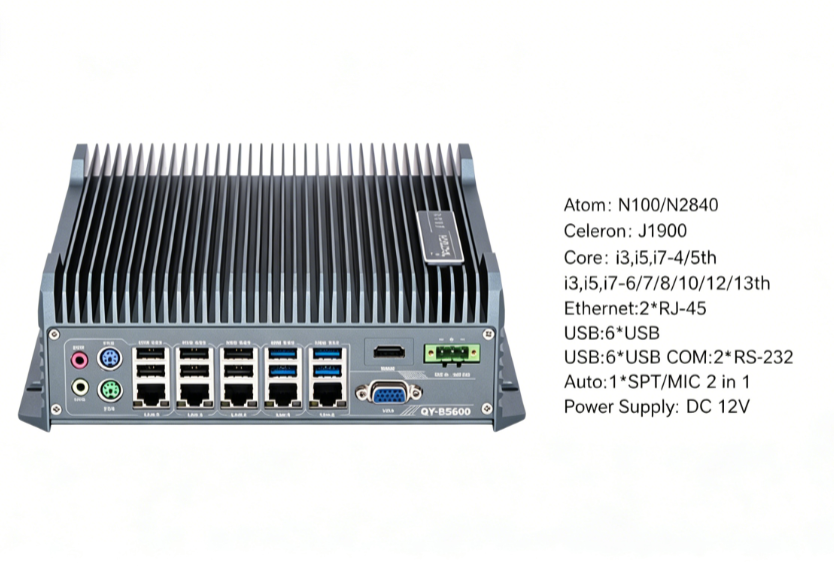
CPUs based on the x86 architecture—such as the Intel Core and Pentium series, as well as the AMD Ryzen series—are widely popular in general-purpose computing due to their powerful performance and broad compatibility. They are also frequently used in industrial PCs, particularly in applications requiring heavy data processing and real-time computing capabilities.
2. ARM Architecture CPUs
ARM-based CPUs are favored for their low power consumption and high level of integration. They are well-suited for mobile or embedded devices that require long-term operation with limited power supplies. Certain high-performance ARM processors can also provide sufficient computing power for industrial PCs.
III. Key Factors for Selecting a Suitable CPU
1. Performance Requirements
Select a CPU with a performance level appropriate for the industrial PC's task complexity and processing speed requirements. For example, systems involving image processing, high-speed data analysis, or the control of multi-axis robots require high-performance CPUs.
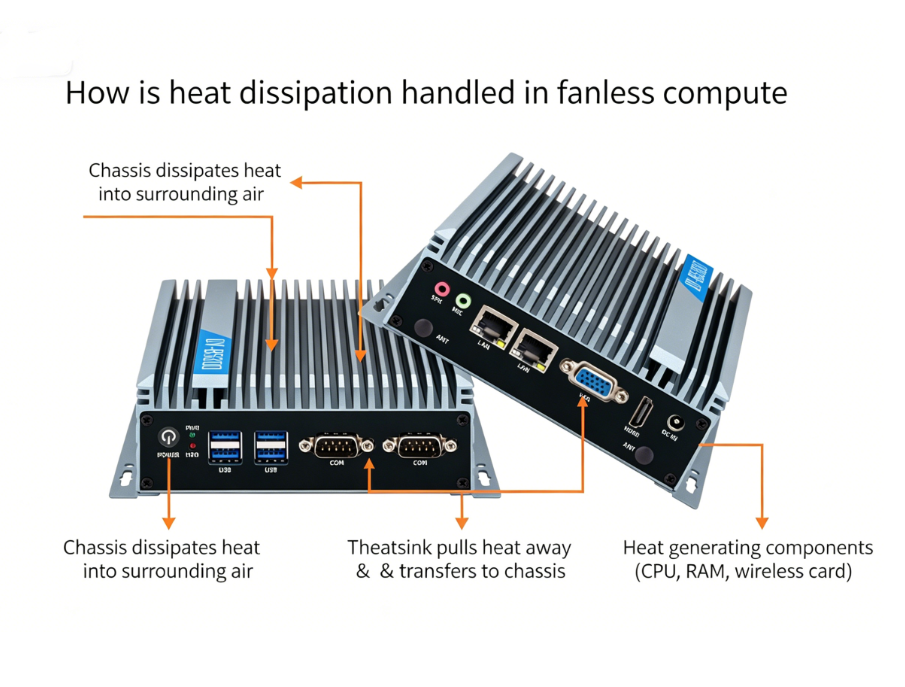
2. Power Consumption and Heat Dissipation
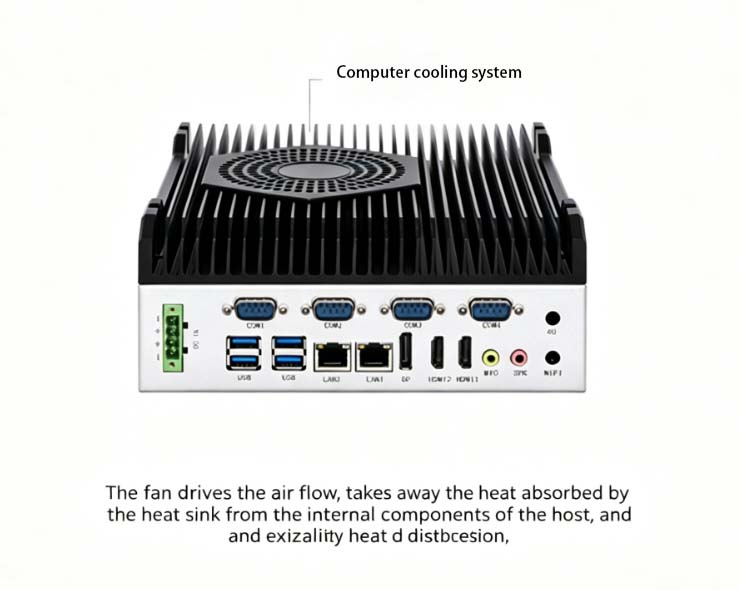
In enclosed environments or settings with poor heat dissipation, choosing a low-power CPU can reduce cooling requirements and enhance system stability.
3. Compatibility and Support
Ensure the selected CPU is compatible with the industrial PC's other hardware components and comes with guarantees for long-term support and supply availability. This is crucial for system maintenance and upgrades.
Summary:
Selecting a CPU for an industrial PC is a decision-making process that requires the consideration of multiple factors. From environmental adaptability and performance requirements to power consumption and compatibility, each factor is crucial to the stable operation of the system. By comprehensively evaluating these elements, you can select the right CPU to ensure optimal performance across various industrial environments.
Recommended