



What are the differences between LED and LCD screens?
2025-12-02
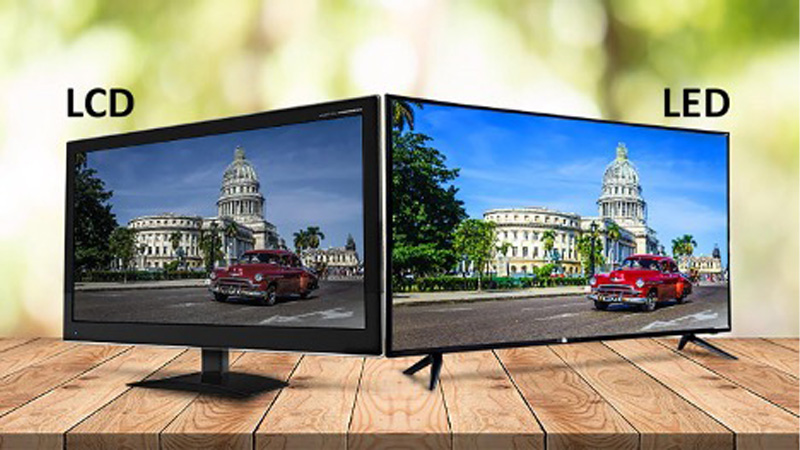
As a crucial medium for information transmission and entertainment, displays are undergoing rapid technological advancements. LCD (Liquid Crystal Display) and LED (Light Emitting Diode) are two mainstream display technologies, each possessing unique advantages and applicable scenarios. This article will delve into the differences between LCD and LED screens from five aspects: display technology principles, display effects, thickness design, power efficiency, and screen lifespan. This will help readers better understand these two display technologies and make the appropriate choice based on their needs.
Display Technology Principles: The Difference Between Liquid Crystal and Light Emitting Diodes
LCD Screen: The core of an LCD screen lies in its internal liquid crystal material. These crystals can change their alignment under the influence of an electric field, thereby controlling the transmission and obstruction of light to achieve image display. LCD screens typically require a backlight module to provide the light source. When light passes through the liquid crystal layer, it is modulated, forming the various colors and images we see. This process involves complex physical and optical principles, enabling LCD screens to achieve high resolution and detailed display effects. Main applications include televisions, computer monitors, and affordable mobile phones.
LED Screens: In contrast, LED screens employ a completely different display mechanism. They directly utilize light-emitting diodes (LEDs) as the light source, with each pixel composed of red, green, and blue LEDs. By adjusting the brightness and color mixing ratio of these LEDs, rich color and brightness levels can be displayed. The advantage of LED screens lies in their self-emissive nature, eliminating the need for additional backlighting, which results in higher contrast and a wider color gamut.
Main Applications: Outdoor advertising screens, etc.
Display effect:
LCD Screens: Because LCD screens rely on a backlight layer, light must be refracted through the liquid crystal layer before being emitted. This results in relatively lower color saturation, but a more natural and softer display, suitable for extended viewing without causing eye strain. However, LCD screens may be slightly lacking in black levels because even when not emitting light, the backlight layer still allows a certain amount of light to pass through, causing "light leakage" and affecting the purity of blacks.
LED Screens: The self-emissive nature of LED screens gives them higher color saturation and contrast, enabling them to present more vibrant and rich colors. Especially when displaying dark or high dynamic range content, LED screens can display deeper blacks and brighter whites, delivering a more immersive visual experience. However, some users may experience dry eyes or fatigue when facing high-brightness LED screens for extended periods.
Thickness Design:
LCD Screens: Due to the need for a backlight layer and a liquid crystal layer, LCD screens have a relatively complex structure, resulting in a greater screen thickness. This has limited their application in ultra-thin devices such as smartphones and tablets. However, with technological advancements, some high-end LCD screens are beginning to adopt thinner backlight technologies and more refined liquid crystal layer designs to reduce size and weight.
LED Screens: LED screens, due to their self-emissive nature, do not require a backlight layer, giving them a natural advantage in thinness and lightness. OLED (Organic Light Emitting Diode) screens, in particular, allow each pixel to emit light independently, further simplifying the screen structure and enabling ultra-thin designs for devices such as smartphones and televisions. Furthermore, the thinness and lightness of LED screens have made innovative designs such as flexible and foldable screens possible, leading a new trend in display technology.
Power efficiency:
LCD Screens: The power consumption of LCD screens is mainly concentrated in the backlight module. When the screen is lit, the entire backlight layer needs to work. Even when displaying only a small amount of content, it's impossible to avoid full backlight operation, resulting in relatively high energy consumption. This is especially true when displaying dark content, where the backlight still needs to run at full power, leading to energy waste.
LED Screens: In contrast, LED screens perform better in power consumption control. Because each pixel can work independently, LED screens can light up only the necessary pixels according to the content being displayed, significantly reducing overall power consumption. This characteristic makes LED screens particularly popular in mobile devices, extending battery life and improving the user experience.
Screen lifespan
LCD Screens: LCD screens are made of inorganic materials, which age relatively slowly, resulting in a longer lifespan. Without external damage, LCD screens can maintain stable display quality for many years, making them an ideal choice for users seeking long-term return on investment. Furthermore, LCD screens are highly adaptable to environmental temperature and humidity, making them suitable for use in various environments.
LED Screens: While LED screens offer advantages in display quality and power consumption, the organic materials they use limit their lifespan. Over time, organic materials age, and LED screens may experience issues such as decreased brightness and color shift. In particular, blue LEDs typically degrade faster than red and green LEDs, affecting the overall display quality. Therefore, for users prioritizing long-term stability and durability, LCD screens may be more suitable.
In conclusion, both LCD and LED screens have their advantages and disadvantages, and the choice of display technology depends on the user's actual needs and preferences. LCD screens, with their natural and soft display effect, long lifespan, and strong environmental adaptability, are suitable for users who need to watch for extended periods or who prioritize cost-effectiveness. For those seeking ultimate close-up clarity and using LCD screens in mobile phones, computers, and home televisions, LCD screens are the best choice, providing the most delicate and comfortable viewing experience.
LED screens, on the other hand, with their vibrant and rich colors, slim design, and low power consumption, have become the preferred choice for users who prioritize a superior visual experience and portability.
With continuous technological advancements, the two display technologies may further merge and innovate in the future, bringing users an even richer and more diverse visual experience. When making a choice, understanding the characteristics and limitations of each technology, combined with personal usage habits, is essential to finding the most suitable display solution.
Side-by-Side Comparison: LED vs. LCD
To provide a clear and concise comparison, here's a table summarizing the key differences between LED and LCD screens:
|
Feature |
LCD |
LED |
|
Backlighting |
CCFL or LED |
Self-Emissive (Light Emitting Diodes) |
|
Picture Quality |
Good |
Excellent |
|
Energy Efficiency |
Good |
Better |
|
Contrast Ratio |
Good |
Excellent |
|
Color Accuracy |
Good |
Better |
|
Lifespan |
Average (30,000 - 60,000 hours) |
Longer (50,000 - 100,000 hours) |
|
Thickness |
Thicker |
Thinner |
|
Viewing Angles |
Limited (may vary with panel technology) |
Wider (especially with IPS technology) |
|
Price |
More Affordable |
Generally Higher |
|
Response Time |
Short/Fast |
Short/Fast |
|
Other |
Standardized sizes, limitations in appearance |
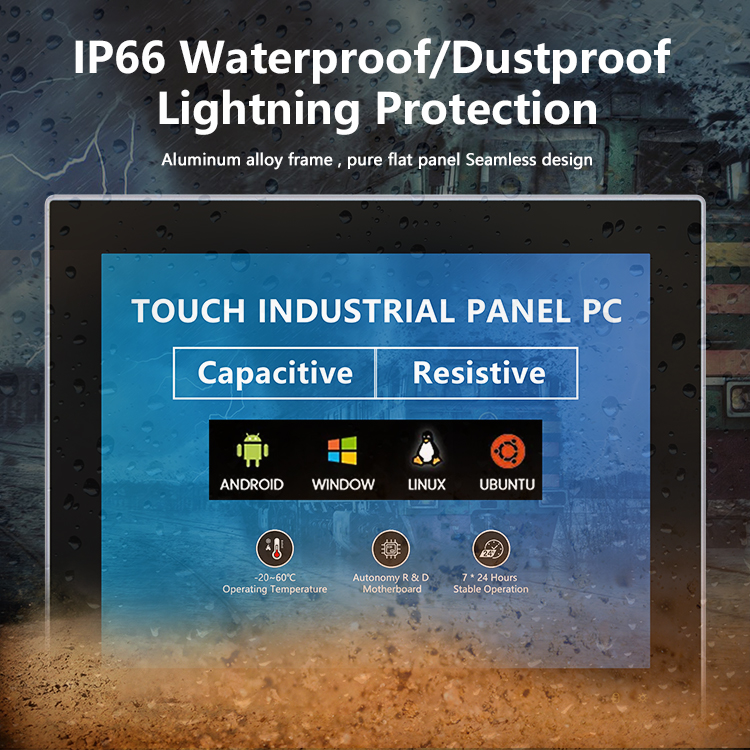
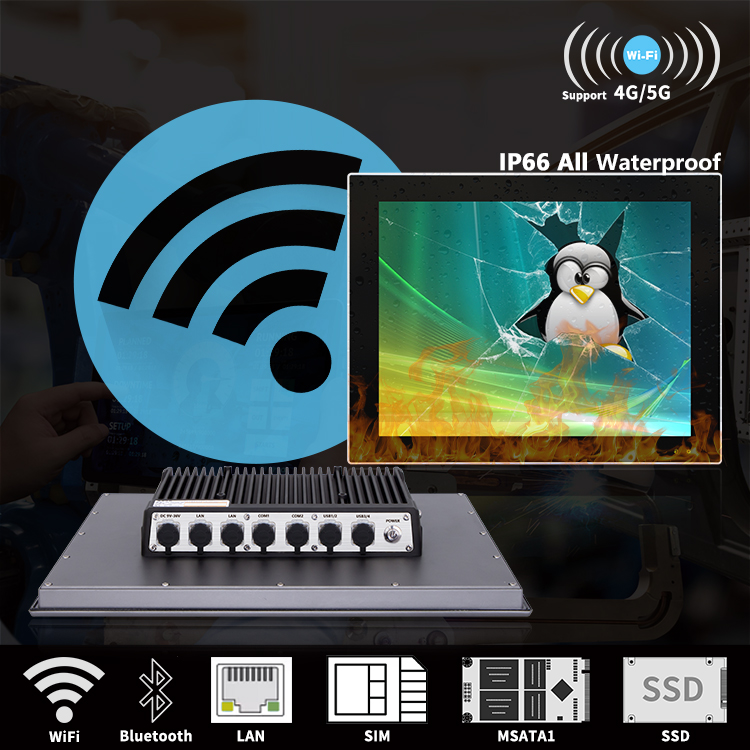
Light and thin design, can take into account extremely high protection performance |
Display Technology Principles: The Difference Between Liquid Crystal and Light Emitting Diodes
LCD Screen: The core of an LCD screen lies in its internal liquid crystal material. These crystals can change their alignment under the influence of an electric field, thereby controlling the transmission and obstruction of light to achieve image display. LCD screens typically require a backlight module to provide the light source. When light passes through the liquid crystal layer, it is modulated, forming the various colors and images we see. This process involves complex physical and optical principles, enabling LCD screens to achieve high resolution and detailed display effects. Main applications include televisions, computer monitors, and affordable mobile phones.
LED Screens: In contrast, LED screens employ a completely different display mechanism. They directly utilize light-emitting diodes (LEDs) as the light source, with each pixel composed of red, green, and blue LEDs. By adjusting the brightness and color mixing ratio of these LEDs, rich color and brightness levels can be displayed. The advantage of LED screens lies in their self-emissive nature, eliminating the need for additional backlighting, which results in higher contrast and a wider color gamut.
Main Applications: Outdoor advertising screens, etc.
Display effect:
LCD Screens: Because LCD screens rely on a backlight layer, light must be refracted through the liquid crystal layer before being emitted. This results in relatively lower color saturation, but a more natural and softer display, suitable for extended viewing without causing eye strain. However, LCD screens may be slightly lacking in black levels because even when not emitting light, the backlight layer still allows a certain amount of light to pass through, causing "light leakage" and affecting the purity of blacks.
LED Screens: The self-emissive nature of LED screens gives them higher color saturation and contrast, enabling them to present more vibrant and rich colors. Especially when displaying dark or high dynamic range content, LED screens can display deeper blacks and brighter whites, delivering a more immersive visual experience. However, some users may experience dry eyes or fatigue when facing high-brightness LED screens for extended periods.
Thickness Design:
LCD Screens: Due to the need for a backlight layer and a liquid crystal layer, LCD screens have a relatively complex structure, resulting in a greater screen thickness. This has limited their application in ultra-thin devices such as smartphones and tablets. However, with technological advancements, some high-end LCD screens are beginning to adopt thinner backlight technologies and more refined liquid crystal layer designs to reduce size and weight.
LED Screens: LED screens, due to their self-emissive nature, do not require a backlight layer, giving them a natural advantage in thinness and lightness. OLED (Organic Light Emitting Diode) screens, in particular, allow each pixel to emit light independently, further simplifying the screen structure and enabling ultra-thin designs for devices such as smartphones and televisions. Furthermore, the thinness and lightness of LED screens have made innovative designs such as flexible and foldable screens possible, leading a new trend in display technology.
Power efficiency:
LCD Screens: The power consumption of LCD screens is mainly concentrated in the backlight module. When the screen is lit, the entire backlight layer needs to work. Even when displaying only a small amount of content, it's impossible to avoid full backlight operation, resulting in relatively high energy consumption. This is especially true when displaying dark content, where the backlight still needs to run at full power, leading to energy waste.
LED Screens: In contrast, LED screens perform better in power consumption control. Because each pixel can work independently, LED screens can light up only the necessary pixels according to the content being displayed, significantly reducing overall power consumption. This characteristic makes LED screens particularly popular in mobile devices, extending battery life and improving the user experience.
Screen lifespan
LCD Screens: LCD screens are made of inorganic materials, which age relatively slowly, resulting in a longer lifespan. Without external damage, LCD screens can maintain stable display quality for many years, making them an ideal choice for users seeking long-term return on investment. Furthermore, LCD screens are highly adaptable to environmental temperature and humidity, making them suitable for use in various environments.
LED Screens: While LED screens offer advantages in display quality and power consumption, the organic materials they use limit their lifespan. Over time, organic materials age, and LED screens may experience issues such as decreased brightness and color shift. In particular, blue LEDs typically degrade faster than red and green LEDs, affecting the overall display quality. Therefore, for users prioritizing long-term stability and durability, LCD screens may be more suitable.
In conclusion, both LCD and LED screens have their advantages and disadvantages, and the choice of display technology depends on the user's actual needs and preferences. LCD screens, with their natural and soft display effect, long lifespan, and strong environmental adaptability, are suitable for users who need to watch for extended periods or who prioritize cost-effectiveness. For those seeking ultimate close-up clarity and using LCD screens in mobile phones, computers, and home televisions, LCD screens are the best choice, providing the most delicate and comfortable viewing experience.
LED screens, on the other hand, with their vibrant and rich colors, slim design, and low power consumption, have become the preferred choice for users who prioritize a superior visual experience and portability.
With continuous technological advancements, the two display technologies may further merge and innovate in the future, bringing users an even richer and more diverse visual experience. When making a choice, understanding the characteristics and limitations of each technology, combined with personal usage habits, is essential to finding the most suitable display solution.
Recommended
.jpg)