


How do industrial computers achieve waterproofing?
2025-12-26
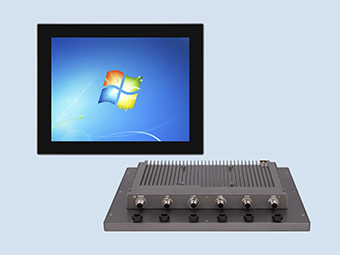
The waterproof design of industrial computers relies on multi-layered engineering solutions aimed at addressing the risk of liquid ingress common in industrial environments. Key methods include sealing techniques, material selection, structural reinforcement, and the application of protection rating standards.
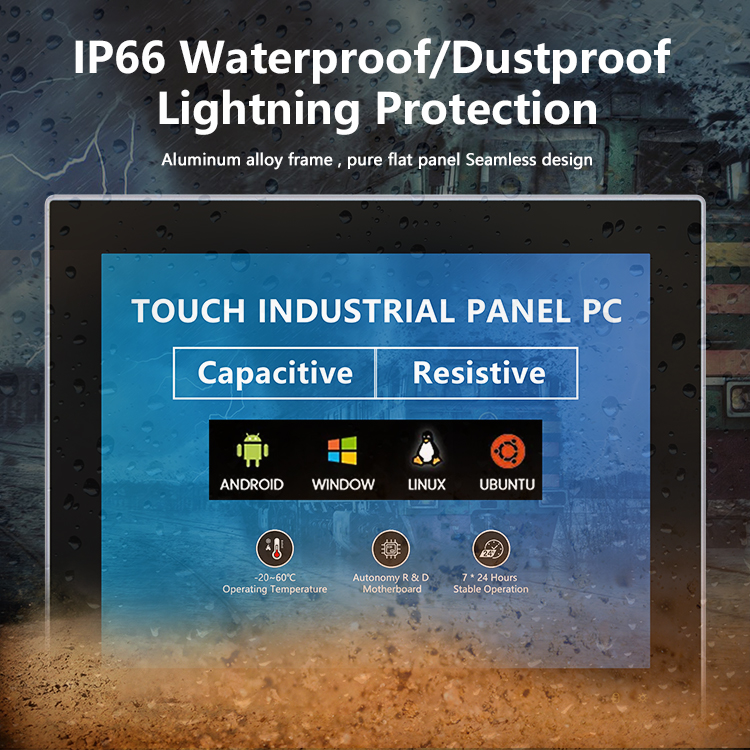
Dust protection performance is defined by the first digit of the IP (Ingress Protection) code, ranging from level 0 (no protection) to level 6 (complete dust protection). The core dust protection standard for rugged tablets is IP6X, meaning the device's interior is completely sealed against dust intrusion. Even in dusty environments such as mines and construction sites, it prevents component wear and short circuits. The Yanwei KR512 adopts this level of dust protection design, making it suitable for the dusty environments of smart manufacturing workshops.
Waterproof Rating: Mainstream rugged tablet PCs typically meet IPX5 (protection against low-pressure water jets) to IPX7 (immersion in 1 meter of water for 30 minutes) standards. Qiyang Technology's waterproof series products have passed IP65 waterproof testing, resisting rainwater splashing and moisture intrusion in humid storage environments, preventing data loss due to water damage.
Sealing technology and structural design are fundamental to waterproofing. Industrial computers utilize double-layer sealing rings or special waterproof adhesives for precise sealing at critical points such as casing seams, interfaces, and buttons, creating a physical barrier.
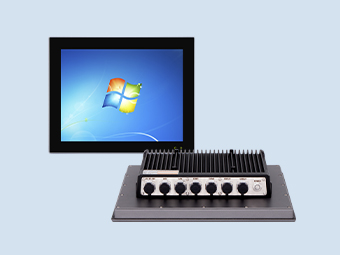
For example, waterproof plugs can completely cover ports such as USB and HDMI, preventing liquid from seeping through the gaps.
Metal-cased models achieve IP67 or IP68 protection levels through precision sealing technology combined with rubber gaskets, ensuring that no water enters the interior even after being submerged in 1 meter of water for 30 minutes.
Materials and coating technologies further enhance protection. Some devices utilize epoxy resin encapsulation to fully enclose the PCBA (printed circuit board assembly), providing multiple layers of protection against moisture and salt spray, but this requires balancing heat dissipation and maintenance costs.
Emerging nano-waterproof coatings (such as silica-based superhydrophobic layers) create micron-scale structures that cause water droplets to roll off quickly, achieving protection levels of IPX5 and above, with a thickness of only 2-4 μm, without affecting component layout or heat dissipation.
Industrial computers typically meet IP65 to IP69K ratings; for example, the IP67 standard requires the device to function normally after being submerged in 1 meter of water for 30 minutes.
The reinforced design enhances overall durability. The device typically features a high-strength engineering plastic or metal body, with cushioning structures at the four corners to absorb impact from drops and prevent seal failure due to accidental collisions.
The screen is covered with high-hardness tempered glass, further preventing liquid penetration through gaps.
Some specially designed industrial computers can be used in underwater environments. These industrial computers feature a fully sealed structure, with water-resistant sealant and waterproof gaskets at the chassis seams. They must meet an IP68 or higher protection rating, allowing them to withstand certain depths (such as 1-10 meters) and durations (such as several hours to several days) underwater. Internal components are waterproofed to prevent short circuits, and waterproof connectors are used for interfaces to ensure no water ingress. However, underwater industrial computers are typically larger and more expensive, and are mainly used in specialized applications such as underwater robots and underwater data acquisition. They need to be customized according to specific parameters such as water depth and temperature. Standard industrial computers do not have underwater capabilities.
These technologies work together to enable industrial computers to maintain stable functionality in harsh environments such as heavy rain, dust, or accidental submersion.
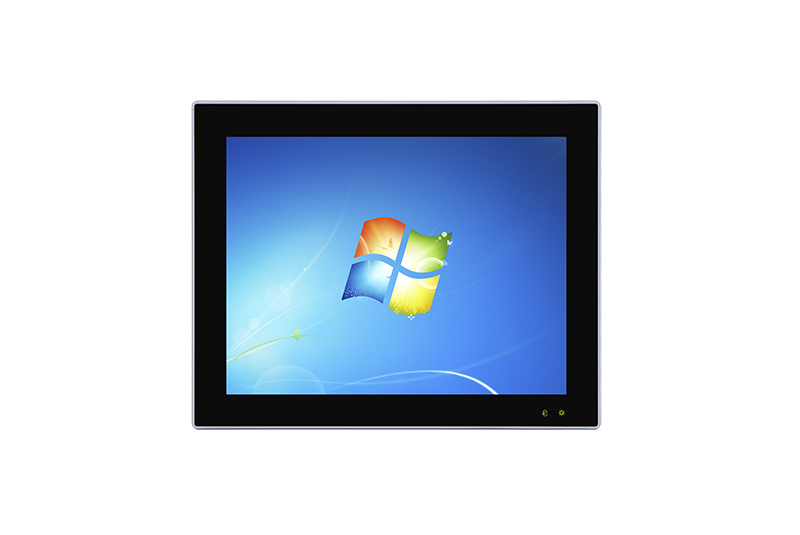
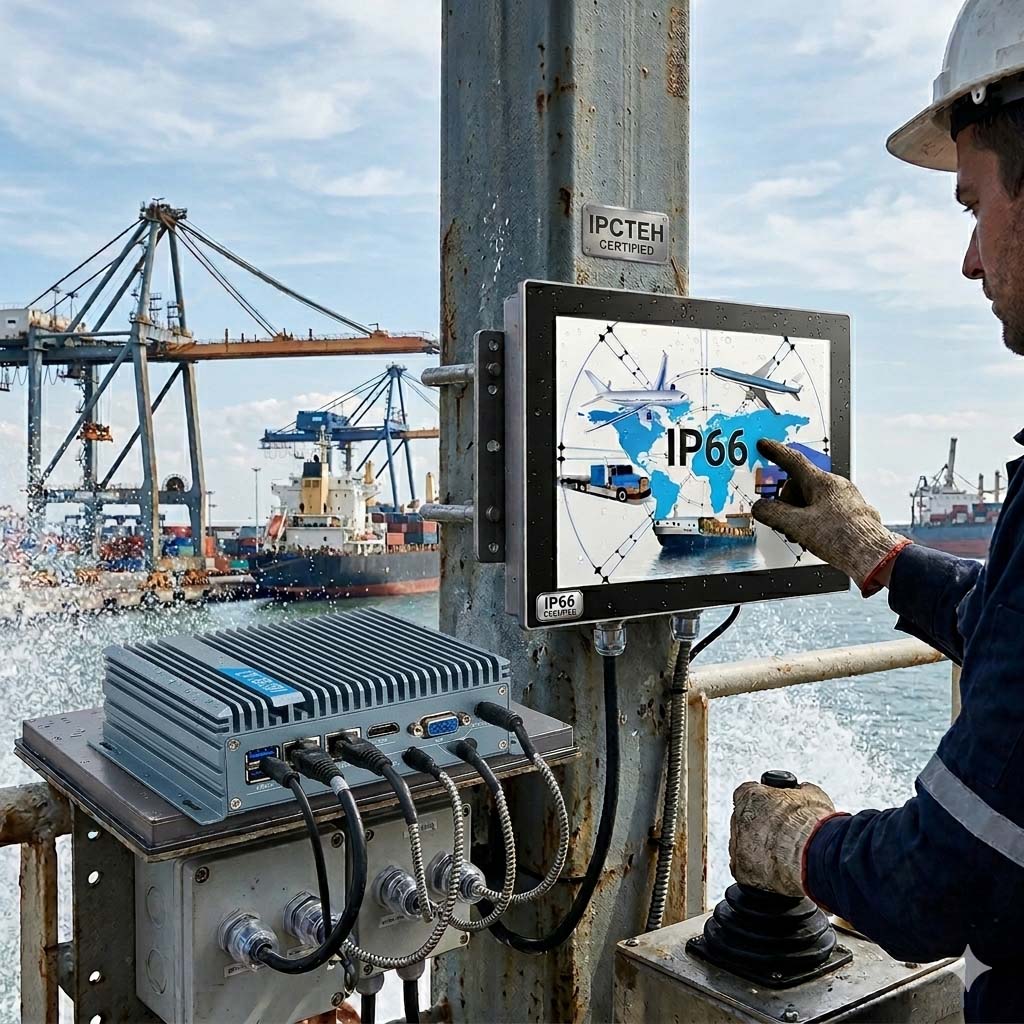
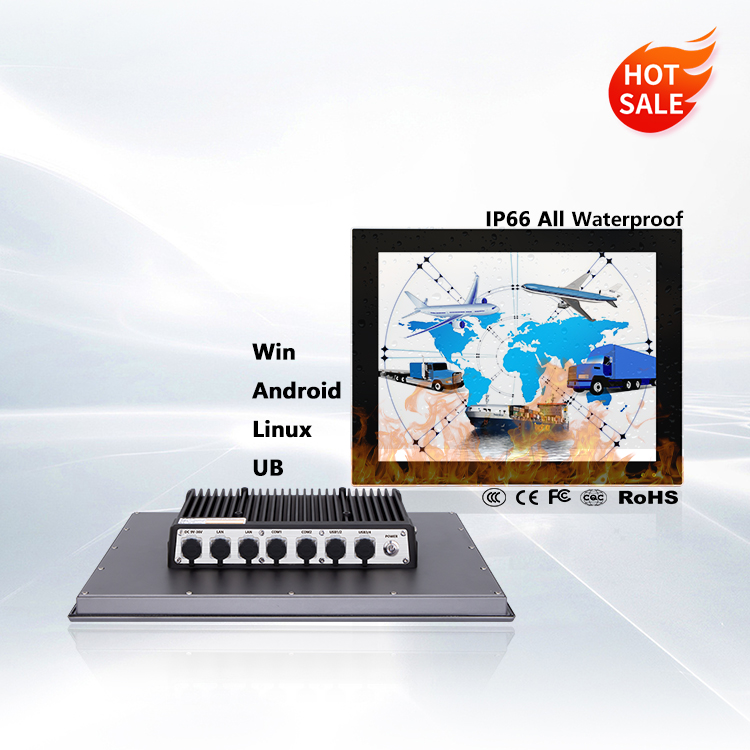
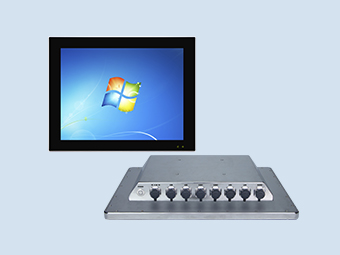
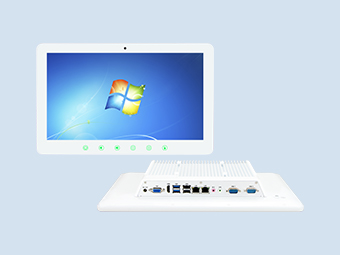
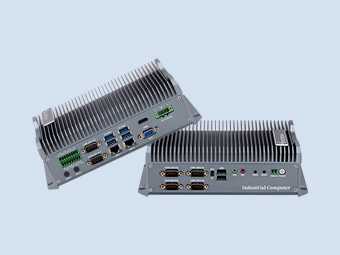
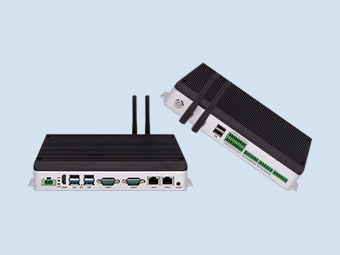
Qiyang Industrial Control is a manufacturer providing industrial control computer services, specializing in meeting the needs for waterproof, corrosion-resistant, and dustproof solutions in demanding environments. Their waterproof series products meet IP65 and IP66 standards and have obtained relevant certification certificates. Featuring a fanless design and aluminum alloy profile structure, the products ensure excellent heat dissipation and robustness. The fully enclosed design prevents dust intrusion, making them suitable for use in highly corrosive environments such as chemical plants and marine applications.
Dust Protection: The first line of defense against particle intrusion
Dust protection performance is defined by the first digit of the IP (Ingress Protection) code, ranging from level 0 (no protection) to level 6 (complete dust protection). The core dust protection standard for rugged tablets is IP6X, meaning the device's interior is completely sealed against dust intrusion. Even in dusty environments such as mines and construction sites, it prevents component wear and short circuits. The Yanwei KR512 adopts this level of dust protection design, making it suitable for the dusty environments of smart manufacturing workshops.
Waterproofing: A key safeguard for handling humid environments
Waterproof Rating: Mainstream rugged tablet PCs typically meet IPX5 (protection against low-pressure water jets) to IPX7 (immersion in 1 meter of water for 30 minutes) standards. Qiyang Technology's waterproof series products have passed IP65 waterproof testing, resisting rainwater splashing and moisture intrusion in humid storage environments, preventing data loss due to water damage.
Sealing technology and structural design are fundamental to waterproofing. Industrial computers utilize double-layer sealing rings or special waterproof adhesives for precise sealing at critical points such as casing seams, interfaces, and buttons, creating a physical barrier.
For example, waterproof plugs can completely cover ports such as USB and HDMI, preventing liquid from seeping through the gaps.
Metal-cased models achieve IP67 or IP68 protection levels through precision sealing technology combined with rubber gaskets, ensuring that no water enters the interior even after being submerged in 1 meter of water for 30 minutes.
Materials and coating technologies further enhance protection. Some devices utilize epoxy resin encapsulation to fully enclose the PCBA (printed circuit board assembly), providing multiple layers of protection against moisture and salt spray, but this requires balancing heat dissipation and maintenance costs.
Emerging nano-waterproof coatings (such as silica-based superhydrophobic layers) create micron-scale structures that cause water droplets to roll off quickly, achieving protection levels of IPX5 and above, with a thickness of only 2-4 μm, without affecting component layout or heat dissipation.
Industrial computers typically meet IP65 to IP69K ratings; for example, the IP67 standard requires the device to function normally after being submerged in 1 meter of water for 30 minutes.
The reinforced design enhances overall durability. The device typically features a high-strength engineering plastic or metal body, with cushioning structures at the four corners to absorb impact from drops and prevent seal failure due to accidental collisions.
The screen is covered with high-hardness tempered glass, further preventing liquid penetration through gaps.
Some specially designed industrial computers can be used in underwater environments. These industrial computers feature a fully sealed structure, with water-resistant sealant and waterproof gaskets at the chassis seams. They must meet an IP68 or higher protection rating, allowing them to withstand certain depths (such as 1-10 meters) and durations (such as several hours to several days) underwater. Internal components are waterproofed to prevent short circuits, and waterproof connectors are used for interfaces to ensure no water ingress. However, underwater industrial computers are typically larger and more expensive, and are mainly used in specialized applications such as underwater robots and underwater data acquisition. They need to be customized according to specific parameters such as water depth and temperature. Standard industrial computers do not have underwater capabilities.
These technologies work together to enable industrial computers to maintain stable functionality in harsh environments such as heavy rain, dust, or accidental submersion.
Qiyang Industrial Control is a manufacturer providing industrial control computer services, specializing in meeting the needs for waterproof, corrosion-resistant, and dustproof solutions in demanding environments. Their waterproof series products meet IP65 and IP66 standards and have obtained relevant certification certificates. Featuring a fanless design and aluminum alloy profile structure, the products ensure excellent heat dissipation and robustness. The fully enclosed design prevents dust intrusion, making them suitable for use in highly corrosive environments such as chemical plants and marine applications.
Recommended

.jpg)