


I want to buy an industrial computer for machine control. How should I choose one?
2026-03-06
First, you need to clarify your specific control scenario:
Controlled Object: Is it a single piece of equipment, a production line, or multiple machines working together?
Control Complexity: Is it simple logic control (PLC replacement), or does it include complex tasks such as motion control and vision guidance?
Real-time Requirements: Is millisecond-level response required? Are safety interlocks involved?
Environmental Conditions: Does the workshop contain dust, oil, vibration, high temperatures, or wide temperature variations?
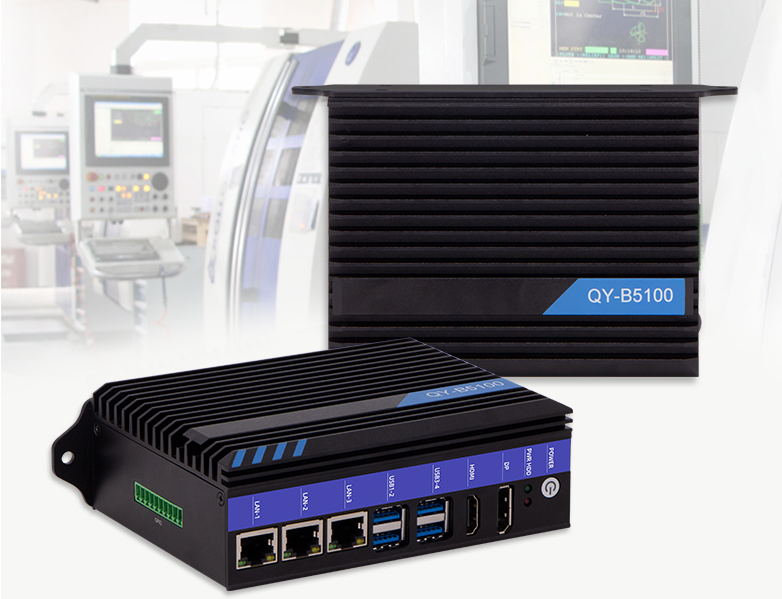
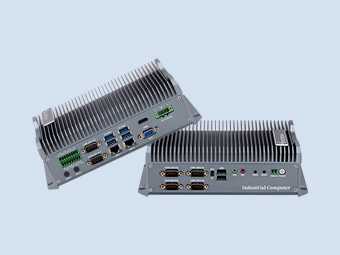
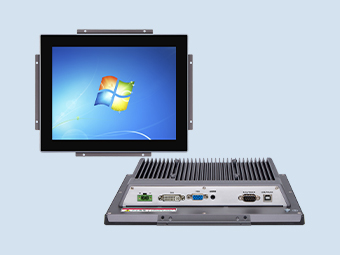
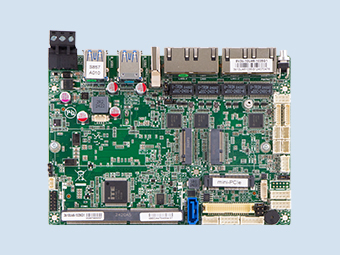
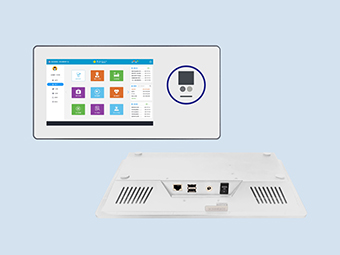
For a single device, the recommended configuration is as follows: Select the ipctech B5300
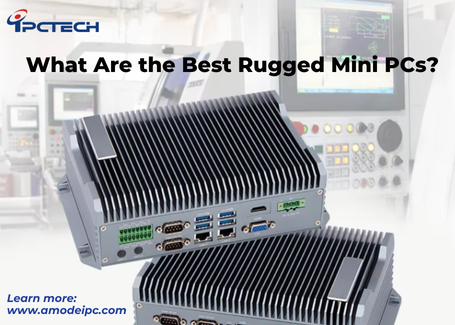
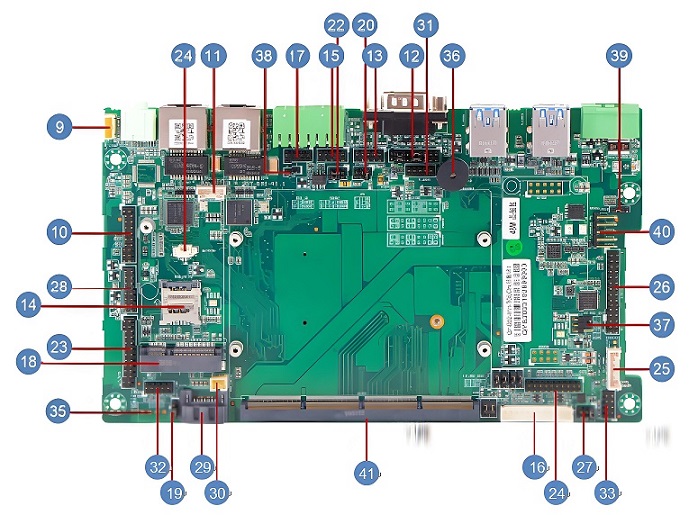
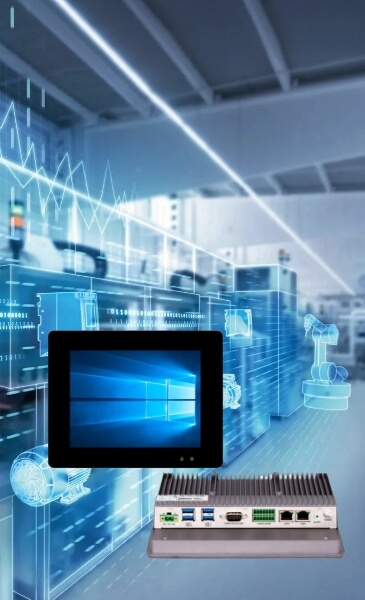
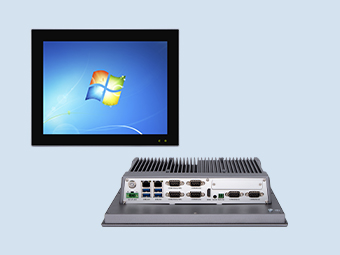
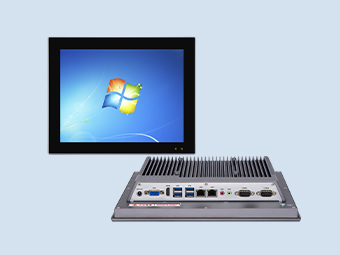
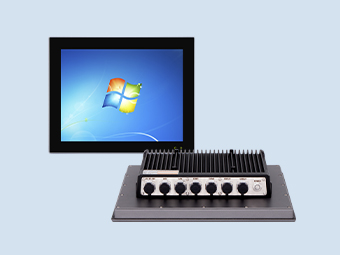
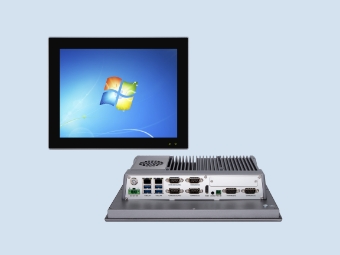
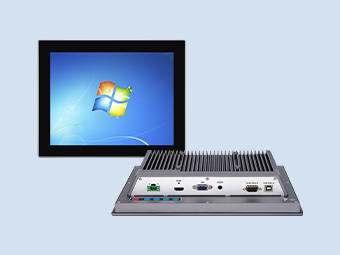
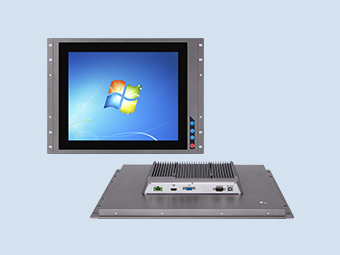
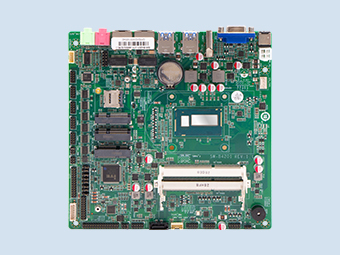
The ipctech B5300 is a typical embedded fanless industrial PC. It is a powerful and compact device suitable for various industrial and commercial applications. Even in outdoor environments, this small industrial PC demonstrates strong adaptability and reliability, providing users with convenient operation and high work efficiency. Processor (CPU): Atom: N100/N2840; Celeron: J1900. Stable performance, low power consumption, sufficient computing power for machine control, production line monitoring, etc., balancing stability and cost-effectiveness.
Memory (RAM): 1*DDR3 RAM slot up to 8GB ensures smooth operation when running control software, HMI interface, and data acquisition programs simultaneously. For high vibration levels, a locking memory module is recommended. Fast startup, strong shock resistance, suitable for industrial environments. For storing large amounts of historical data, most control scenarios do not require a dedicated graphics card.
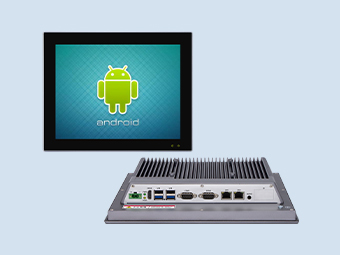
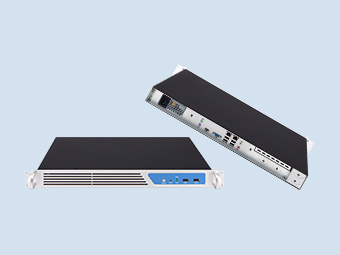
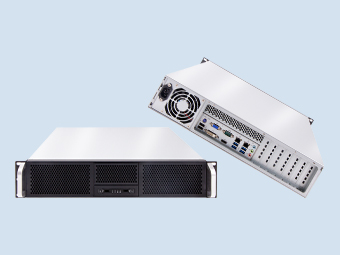
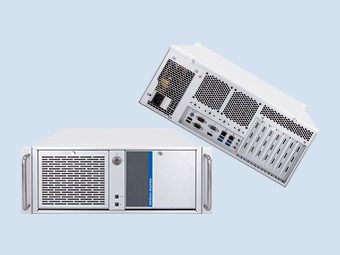
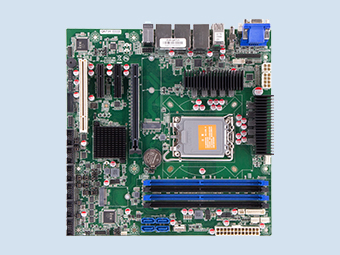
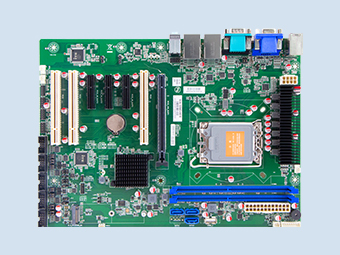
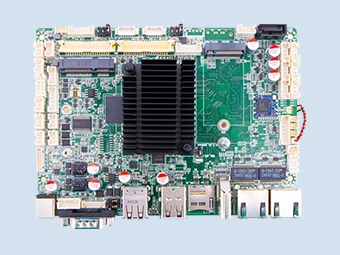
If you prioritize complexity control, we recommend the QY-B5900. This device is a fan-operated industrial control host with an 8th/9th generation Intel Core i3/i5/i7/i9 processor (CPU), 2*DDR IIII RAM slots, and 1*M.2 SATA SSD. It is compatible with mainstream operating systems such as Windows 10, Windows 11, and Linux, as well as embedded operating systems, and can run customer-developed application software and programs based on these operating systems.
Environmental adaptability and structural selection
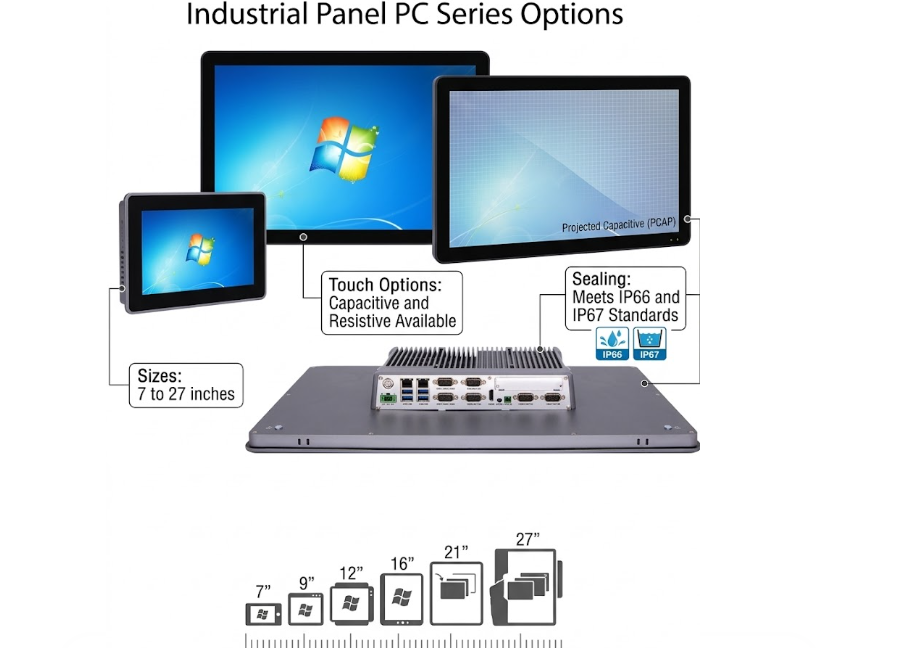
Industrial environments are harsh, so a protection rating of at least IP20 is essential. Dusty or humid environments require IP65 or higher.
Operating temperature: Standard models typically support -10℃ to 60℃. If the workshop has large temperature variations or is located outdoors, a wider temperature range model (e.g., -40℃ to 85℃) should be selected.
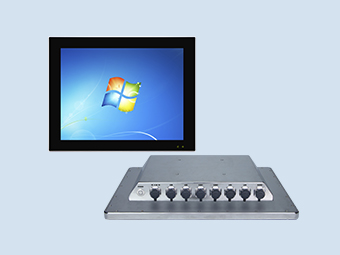
Vibration/shock resistance: Production lines experience significant vibration; therefore, fanless designs (passive cooling) should be selected, along with reinforced structures and shock-resistant hard drive brackets.
Structure Types:
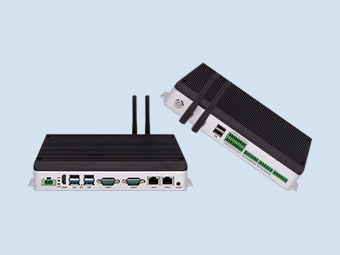
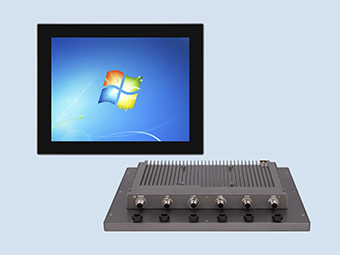
* **Embedded/Fanless Industrial PC:** Compact, dust-resistant, suitable for installation in equipment cabinets.
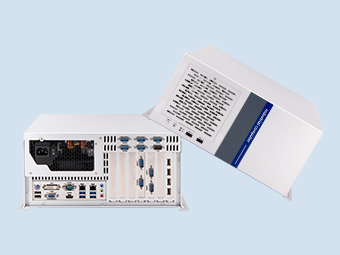
* **Wall-Mounted/Box-Type Industrial PC:** Versatile, easy to maintain and expand.
**Interfaces and Expandability:** Machine control requires connection to various industrial devices; a full range of interfaces is essential:
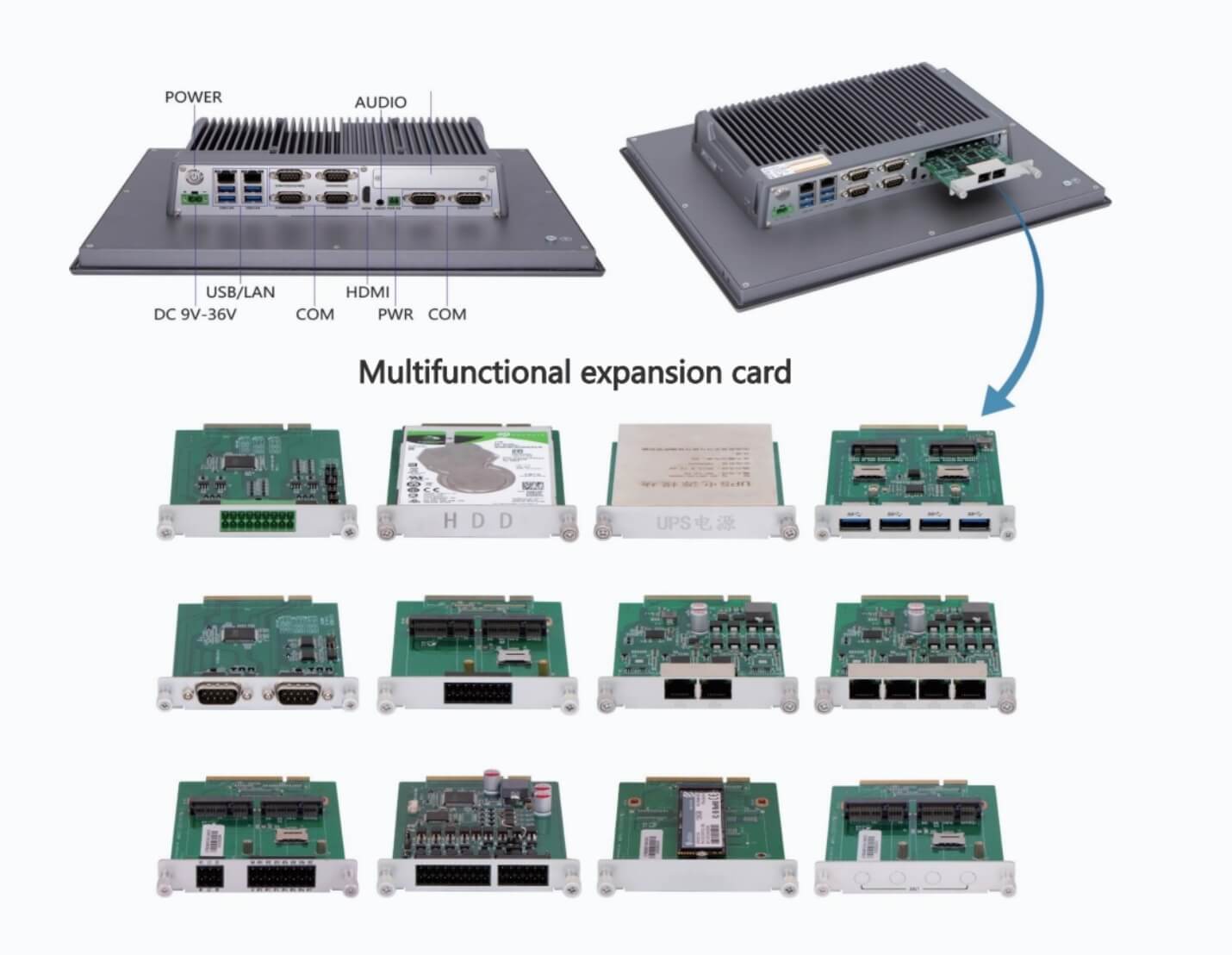
* **Required Interfaces:** Multiple RS-232/485 serial ports (for PLC and sensors), Gigabit Ethernet port (for communication and networking), USB 3.0 or higher.
* **Expansion Slots:** Reserved PCIe slots for future additions of data acquisition cards, motion control cards, etc.
* **Industrial Bus:** Based on the field device protocols, confirm whether CAN bus, EtherCAT, etc., are required.
Environmental Adaptability and Reliability:
Industrial environments often involve vibration, dust, and fluctuations in temperature and humidity. Structure: A fanless design is recommended, relying on the casing for heat dissipation, and providing dust and shock protection. For dusty environments or environments with minor water splashes, IP65 is required. Operating Temperature: Standard models typically support 0℃~60℃, while wide-temperature models support -40℃~70℃ and above.
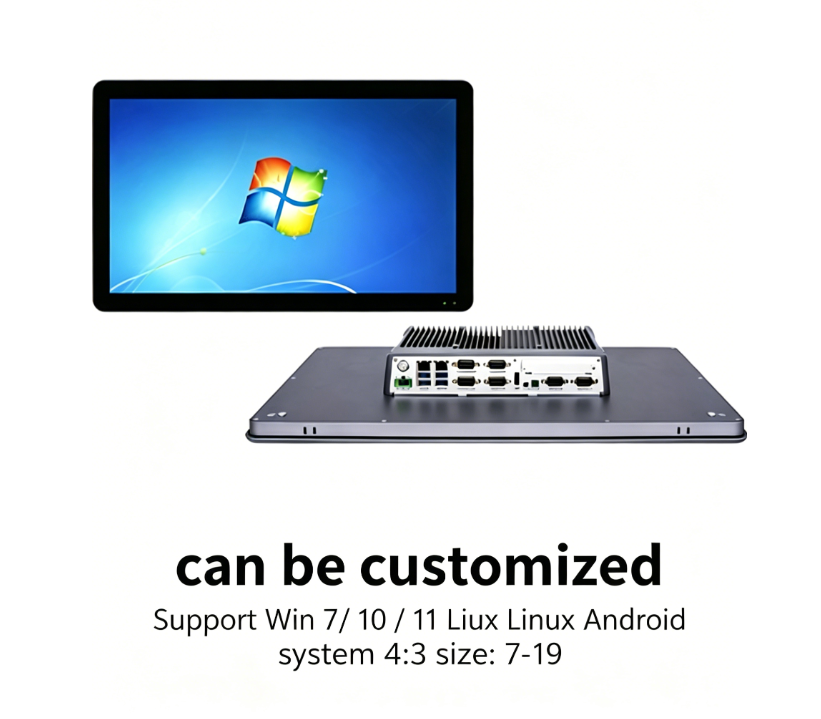
For customized or complex industrial control units, please contact us.
Recommended