


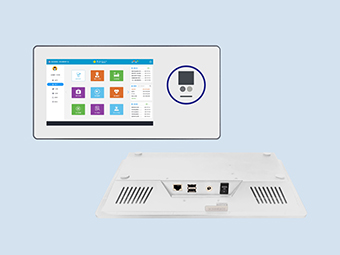
What is the difference between edge computers and industrial computers?
2026-02-09
Industrial control computers and edge computers are the two key technical equipment in the current fields of industrial automation and the Internet of Things. Industrial computers are "rugged computers" designed for harsh industrial environments, while edge computers are "intelligent processing nodes" deployed at the source of data generation.
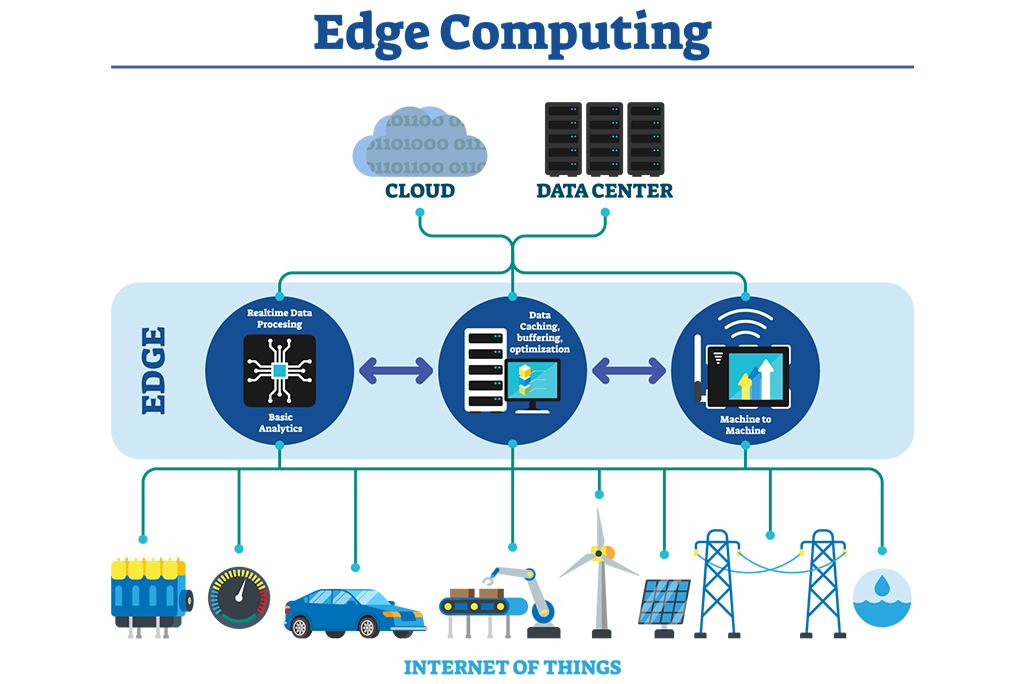
Examples of typical locations include factory production lines, inside wind turbines, traffic intersections, shopping malls, vehicle-mounted systems, etc.
Real-time processing and intelligent analysis
Filter, calculate and model data instantly where it is generated.
Data aggregation and lightweighting
Refining raw data into information summaries significantly reduces network bandwidth and cloud storage costs.
Fast response and closed-loop control
Support millisecond-level local decision-making and control to meet the needs of high real-time scenarios.
Resumable downloading and autonomous operation after disconnection
When the network is interrupted, it can continue to run locally and cache data, and it will be synchronized after the network is restored.
Smart factory (predictive maintenance, visual quality inspection)
Smart city (real-time optimization of traffic flow, intelligent security)
Unmanned retail (customer behavior analysis, inventory management)
Internet of Vehicles and Autonomous Driving (Roadside Units, In-Vehicle Computing)
Telemedicine (real-time analysis of portable medical device data)
Industrial PC, IPC
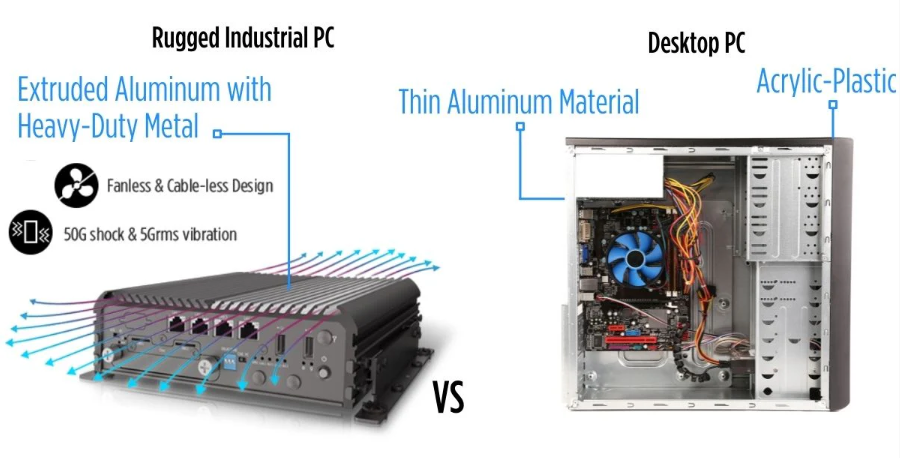
Computers designed specifically for industrial environments. It emphasizes reliability and adaptability at the physical level and is often called a ruggedized computer.
As one of the common carriers of edge computing, industrial computers are the hardware cornerstone that connects the physical world and the digital world. It has the characteristics of wide temperature operation, anti-electromagnetic interference, dustproof and waterproof, ensuring stable operation in harsh environments such as factory workshops and outdoors, and providing solid physical support for edge computing.
Wide temperature design: Can work stably at -20℃ to 70℃ or even more extreme temperatures.
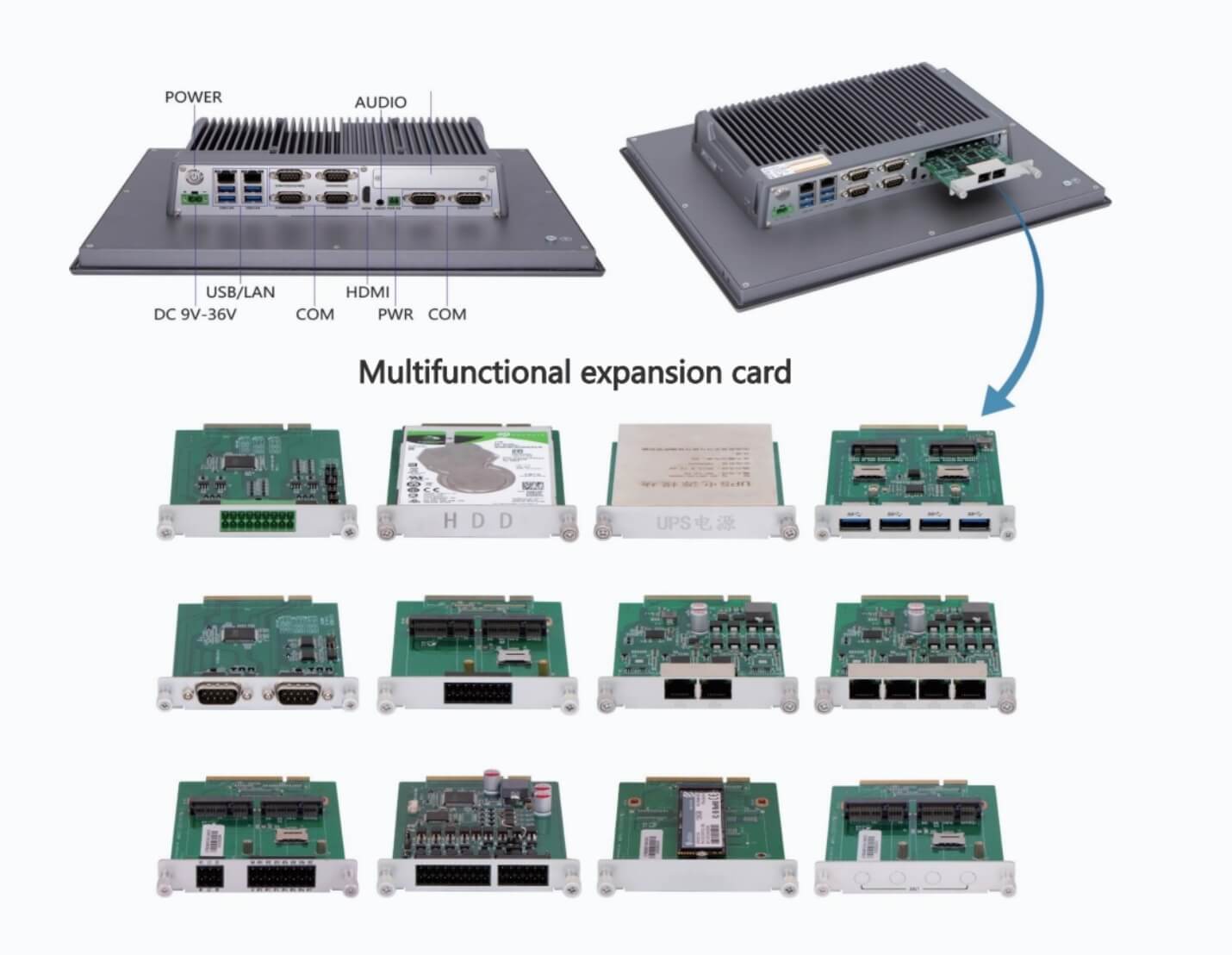
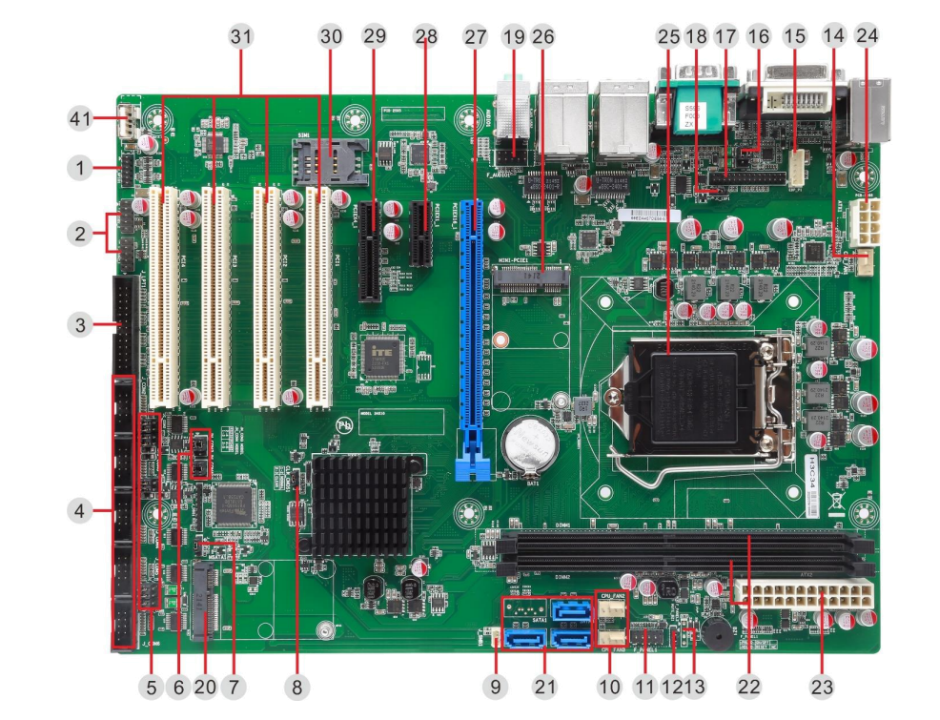
Long-term supply and compatibility: The component has a long life cycle, and the interface is compatible with industrial standards (such as PCI, PCIe, COM, GPIO, etc.), making it easy to connect to various industrial equipment.
High reliability: Using industrial-grade chips and components, the mean time between failures is far longer than that of ordinary commercial computers.
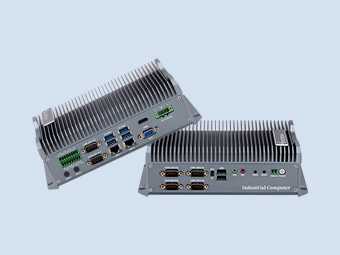
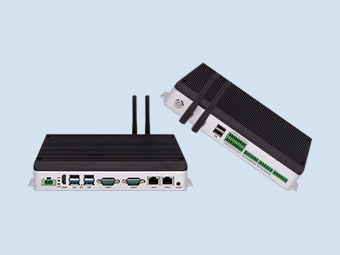
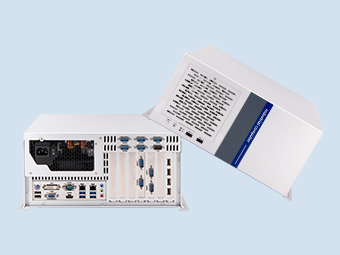
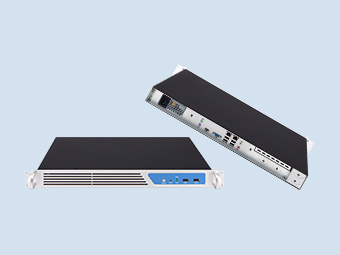
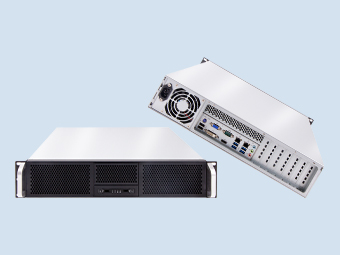
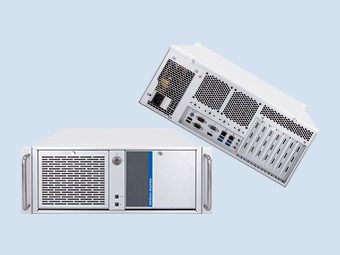
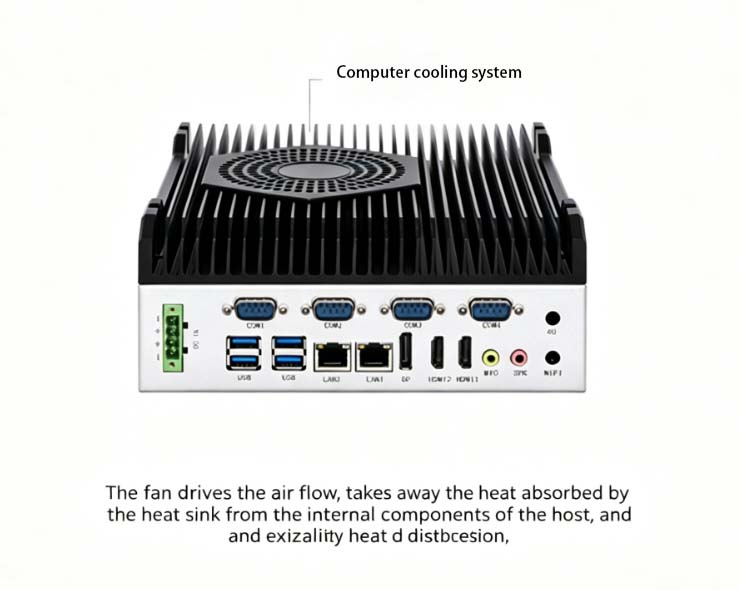
Fixed form: Common forms include box-type industrial computers, panel-type industrial computers, rack-type industrial computers, etc.
Factory production line control (PLC host computer, SCADA system host)
Machinery and equipment embedded controller
Power monitoring system
Rail transit control system
Military industry, aerospace equipment
Traffic signal control: Stably run the signal control program in the intersection cabinet.
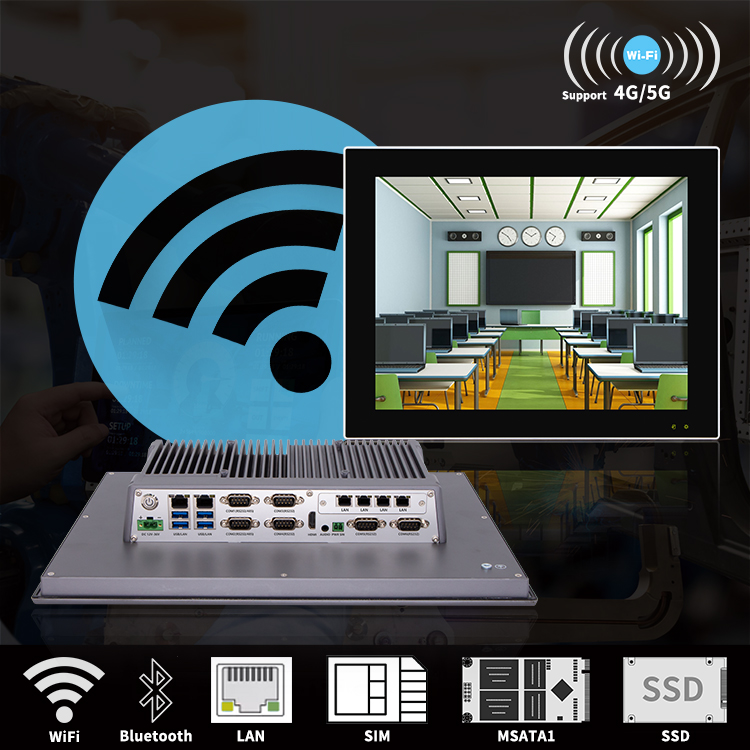
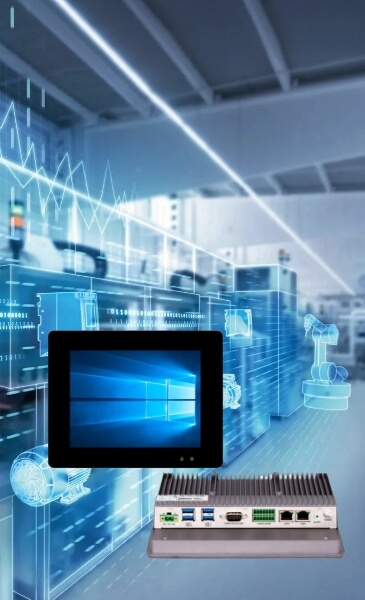
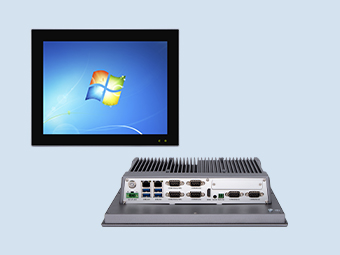
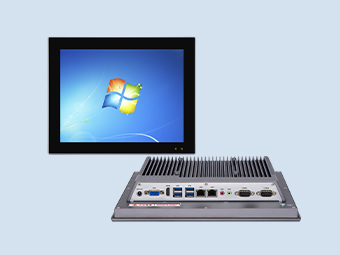
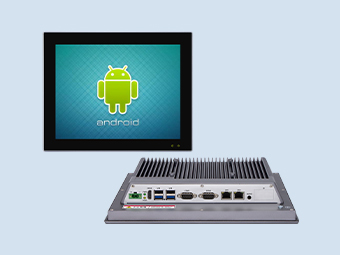
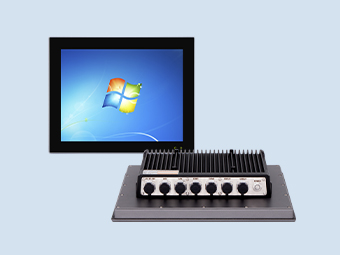
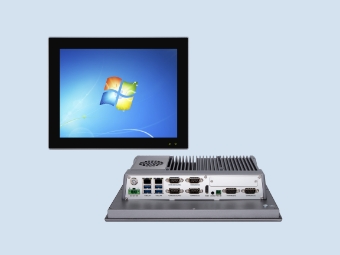
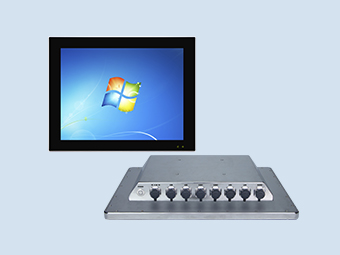
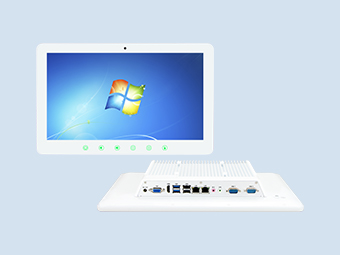
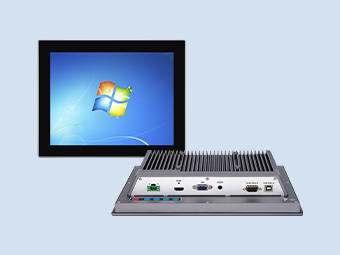
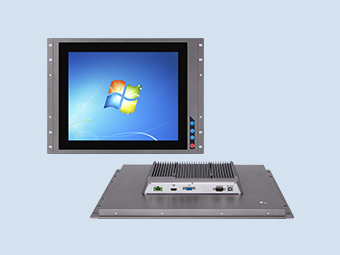
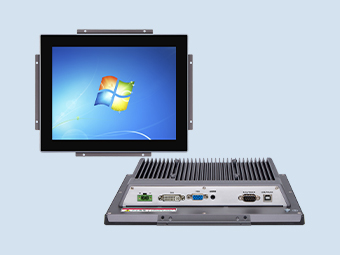
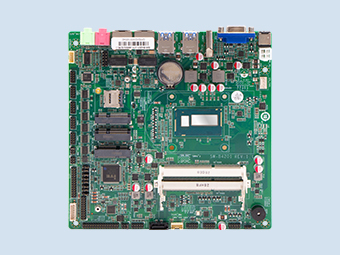
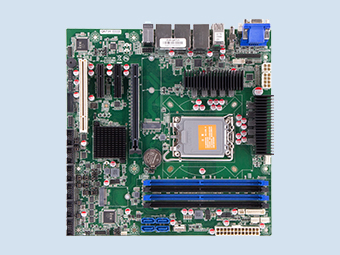
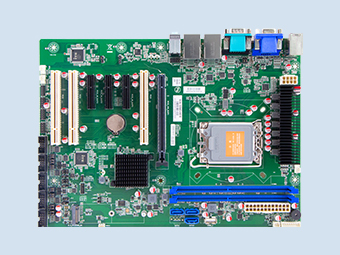
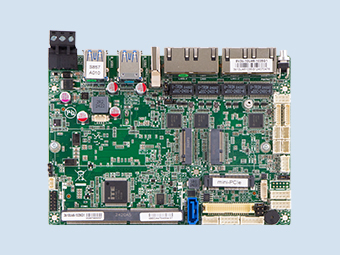
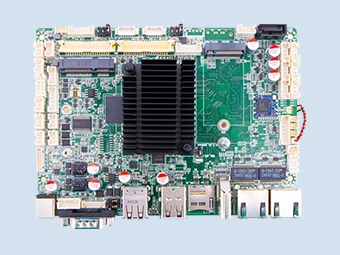
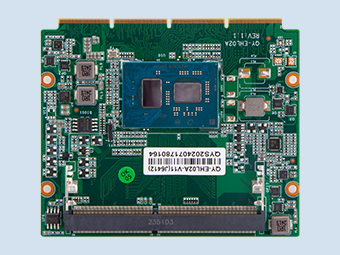
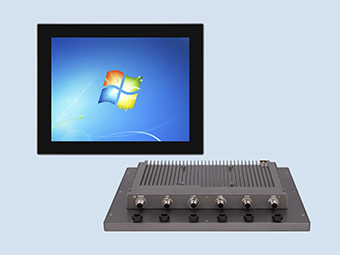
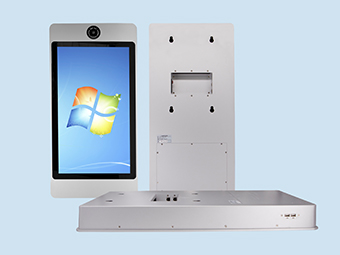
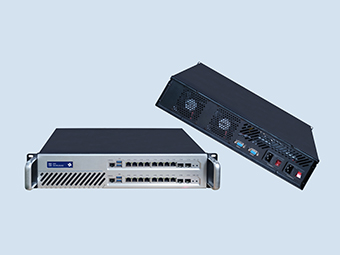
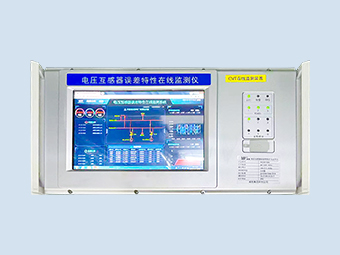
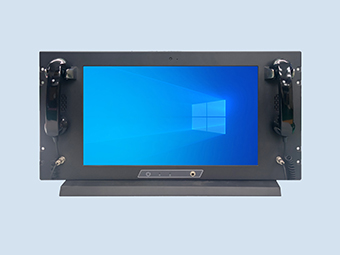
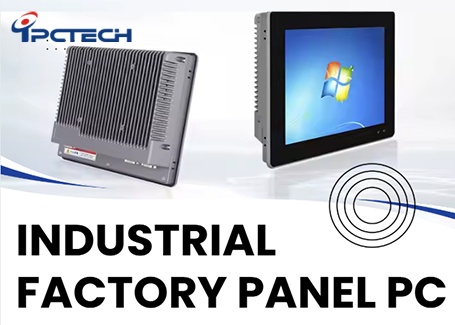
The industrial computers produced by IPCTECH aim to serve harsh industrial environments. Products include industrial tablets, industrial monitors and industrial servers that can be used in industrial edge computing.
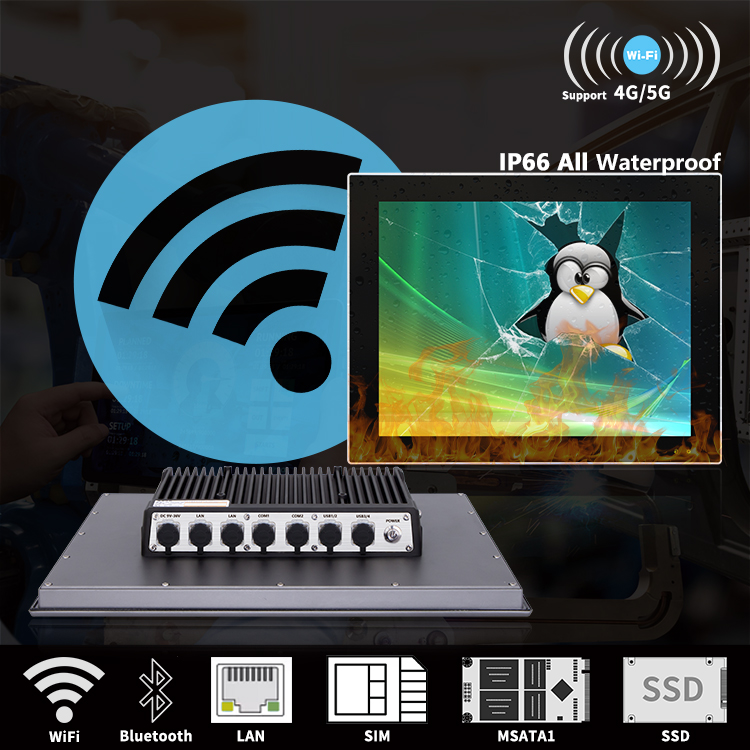
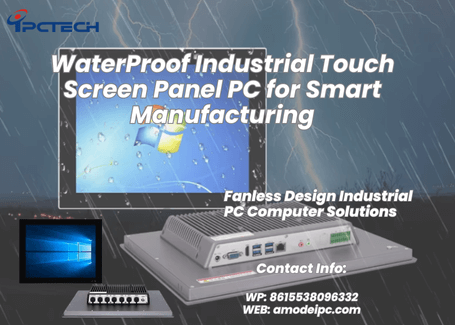
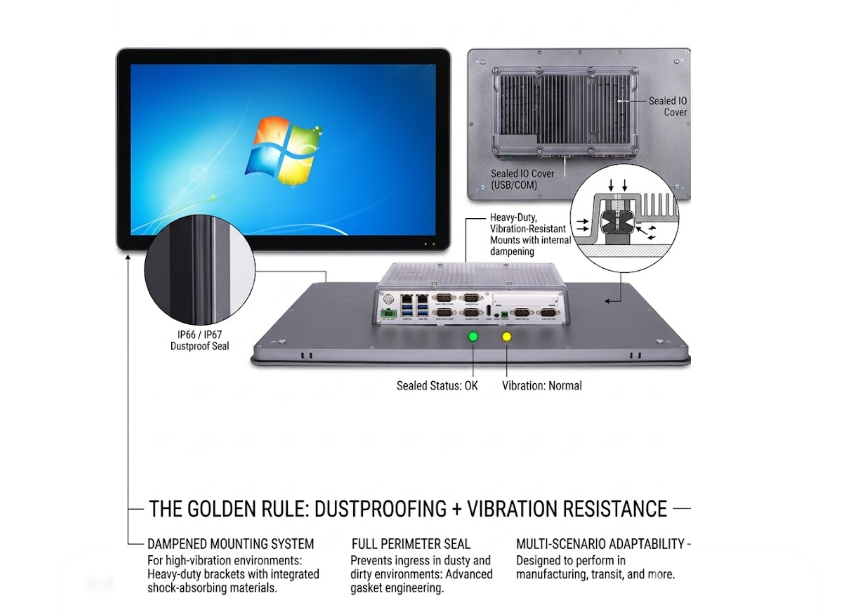
Industrial tablet computers allow operators to interact directly with machines, display data intuitively, can be operated by touch, and are waterproof and anti-vibration. Industrial tablet computers are used in complex automated production line control, robot scheduling, large-scale data processing and analysis in factory data centers, production line monitoring, equipment parameter adjustment, on-site operation interfaces, warehouse management, public information query terminals, etc.
Edge computer
Refers to specialized computing equipment deployed near the source of data generation (i.e., the "network edge"). Its core idea is: "Bring computing to the data instead of sending data to the computing center." By processing data locally, it can effectively reduce the pressure on the cloud and reduce transmission delays.Core functions and advantages:
Deployed close to the site, directly next to sensors, devices and data sources.Examples of typical locations include factory production lines, inside wind turbines, traffic intersections, shopping malls, vehicle-mounted systems, etc.
Real-time processing and intelligent analysis
Filter, calculate and model data instantly where it is generated.
Data aggregation and lightweighting
Refining raw data into information summaries significantly reduces network bandwidth and cloud storage costs.
Fast response and closed-loop control
Support millisecond-level local decision-making and control to meet the needs of high real-time scenarios.
Resumable downloading and autonomous operation after disconnection
When the network is interrupted, it can continue to run locally and cache data, and it will be synchronized after the network is restored.
Typical application scenarios:
Smart factory (predictive maintenance, visual quality inspection)
Smart city (real-time optimization of traffic flow, intelligent security)
Unmanned retail (customer behavior analysis, inventory management)
Internet of Vehicles and Autonomous Driving (Roadside Units, In-Vehicle Computing)
Telemedicine (real-time analysis of portable medical device data)
Industrial PC, IPC
Computers designed specifically for industrial environments. It emphasizes reliability and adaptability at the physical level and is often called a ruggedized computer.
As one of the common carriers of edge computing, industrial computers are the hardware cornerstone that connects the physical world and the digital world. It has the characteristics of wide temperature operation, anti-electromagnetic interference, dustproof and waterproof, ensuring stable operation in harsh environments such as factory workshops and outdoors, and providing solid physical support for edge computing.
Main features:
Sturdy and durable: Made of metal structure, dust-proof, moisture-proof, vibration-proof and impact-resistant.Wide temperature design: Can work stably at -20℃ to 70℃ or even more extreme temperatures.
Long-term supply and compatibility: The component has a long life cycle, and the interface is compatible with industrial standards (such as PCI, PCIe, COM, GPIO, etc.), making it easy to connect to various industrial equipment.
High reliability: Using industrial-grade chips and components, the mean time between failures is far longer than that of ordinary commercial computers.
Fixed form: Common forms include box-type industrial computers, panel-type industrial computers, rack-type industrial computers, etc.
Typical application scenarios:
Factory production line control (PLC host computer, SCADA system host)
Machinery and equipment embedded controller
Power monitoring system
Rail transit control system
Military industry, aerospace equipment
Traffic signal control: Stably run the signal control program in the intersection cabinet.
The industrial computers produced by IPCTECH aim to serve harsh industrial environments. Products include industrial tablets, industrial monitors and industrial servers that can be used in industrial edge computing.
Industrial tablet computers allow operators to interact directly with machines, display data intuitively, can be operated by touch, and are waterproof and anti-vibration. Industrial tablet computers are used in complex automated production line control, robot scheduling, large-scale data processing and analysis in factory data centers, production line monitoring, equipment parameter adjustment, on-site operation interfaces, warehouse management, public information query terminals, etc.
Recommended
.jpg)