



Can IP66-Rated Computers Truly Handle Outdoor Environments?
2026-04-03
The short answer is yes, but with a vital caveat: success depends on the specific installation environment and the protective measures accompanying the device.
While an IP66 rating theoretically allows a device to withstand powerful water jets from any direction, long-term outdoor deployment introduces variables—like UV degradation and extreme thermal shifts—that go far beyond simple "water resistance."
Understanding the IP66 Standard
Before deploying hardware outdoors, it is essential to define what IP66 actually guarantees:
-
The first "6" (Dust Protection): Complete protection against dust ingress (dust-tight). No solid particles can enter the enclosure.
-
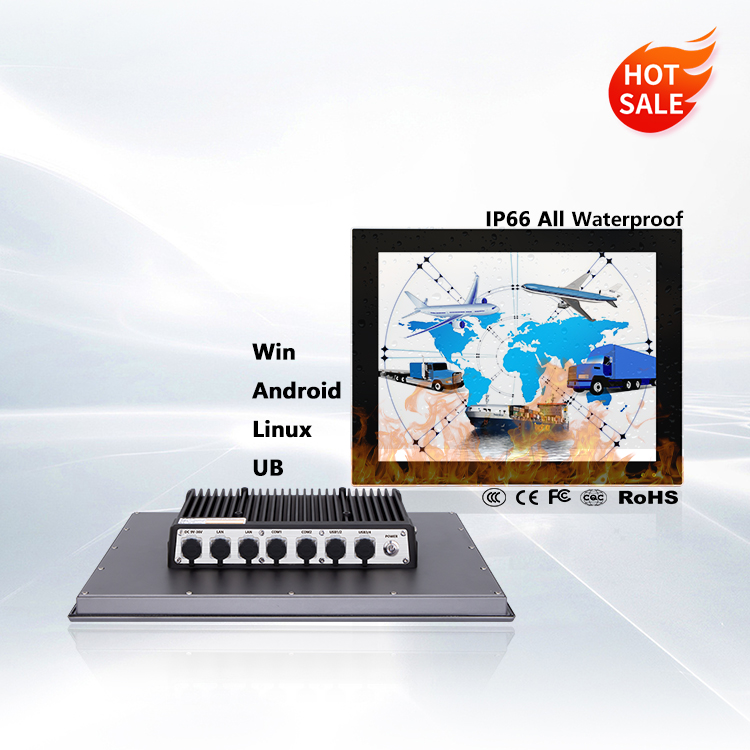
The second "6" (Water Protection): Protection against heavy seas or powerful water jets. Water projected in powerful jets against the enclosure from any direction shall have no harmful effects.
In practice, this means the computer enclosure will remain dry internally even during torrential rain or high-pressure cleaning.
Critical Challenges Beyond Ingress Protection
An IP66 rating solves the "leak" problem, but outdoor environments present three additional hurdles:
-
Solar Radiation & Thermal Loads: Direct sunlight is a dual threat. UV radiation can degrade plastic components, while solar heat can push internal temperatures past safe limits. For outdoor visibility, a screen typically requires 1,000+ nits of brightness. Without a fanless, high-efficiency thermal design, the system may throttle or fail.
-
Pressure Imbalances & Condensation: While IP66 prevents "sprays," it doesn't always account for "breathing." Rapid temperature drops at night can create a vacuum, pulling moist air through seals. If that moisture is trapped inside a perfectly sealed box, it will condense on the motherboard.
-
The "Weakest Link" (Interfaces): An IP66 chassis is useless if the power and LAN cables are standard RJ45 or DC jacks. Outdoor systems must utilize M12 aviation-grade connectors or waterproof cable glands to maintain the integrity of the seal.
Spotlight: IPCtech P6000 Series (QY-P6000)
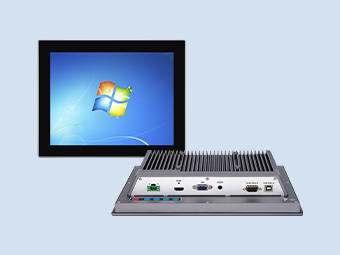
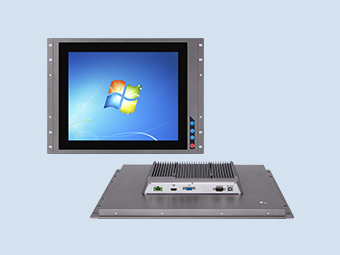
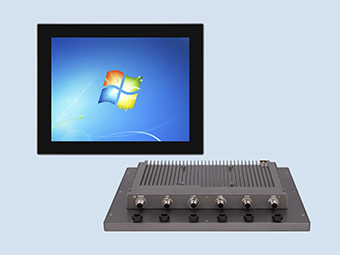
The IPCtech P6000 Series is specifically engineered to bridge the gap between "water-resistant" and "outdoor-ready." It addresses the environmental challenges mentioned above through specialized industrial design:
1. Ruggedized Construction
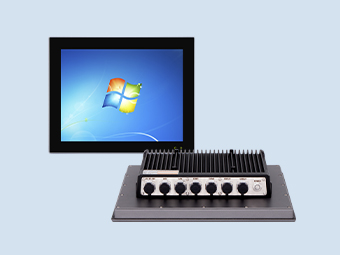
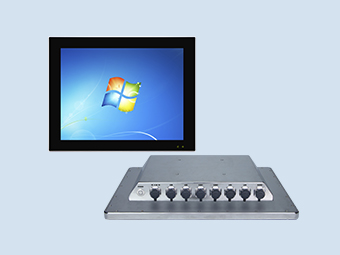
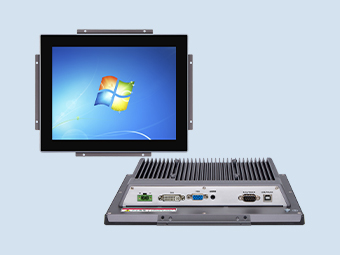
The P6000 features a high-strength aluminum alloy housing created via a one-piece die-casting process. This minimizes seam lines (potential failure points) and includes an anti-corrosion coating for longevity in humid or salty air.
2. Specialized I/O Sealing
Instead of exposed ports, the P6000 utilizes M12 waterproof aviation connectors. These screw-lock into place, ensuring that the connection points are as rugged and waterproof as the computer itself.
3. Advanced Thermal Management
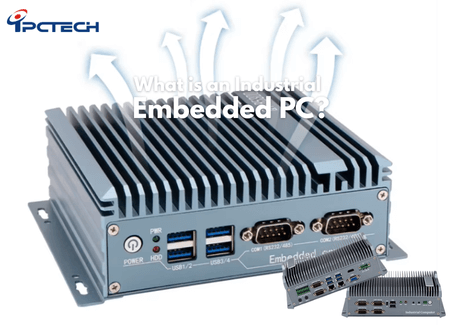
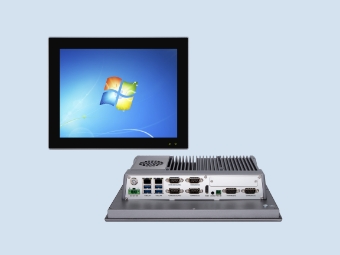
The series employs a fanless cooling architecture. By using the entire metal chassis as a heat sink (with integrated cooling fins), the device dissipates heat passively. This eliminates air vents, which are the primary entry points for dust and moisture in traditional PCs.

Customizable Options for Extreme Conditions
To tailor the P6000 for specific outdoor roles, several upgrades are available:
-
Optical Bonding: The capacitive touchscreen uses full optical bonding to eliminate the air gap between the glass and the LCD. This prevents internal fogging and significantly reduces glare.
-
High-Brightness Displays: Upgradeable from a standard 350 nits to 1,000+ nits for clear legibility under direct noon sun.
-
Wide-Temperature Components: Rated for stable operation from -20°C to 70°C, accounting for both winter freezes and summer heatwaves.
-
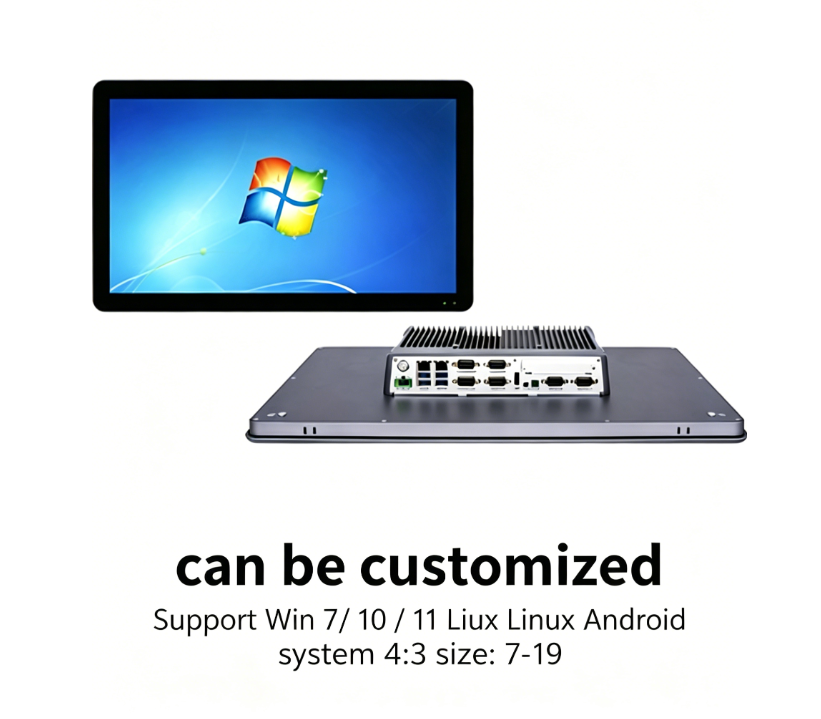
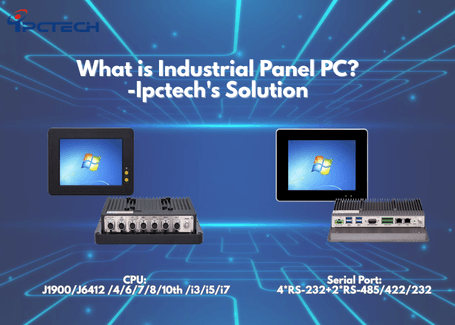
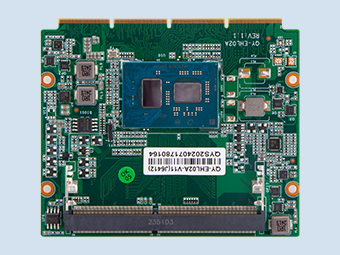
Processing Power: Scalable from energy-efficient Intel J6412 models to high-performance 11th Gen Core i7 processors, with integrated 4G/5G and Wi-Fi modules for remote connectivity.
Recommended