


Is the power consumption of the J1900 CPU in industrial mini-PCs high?
2026-07-07
The J1900 CPU offers low power consumption and high stability.
It features four cores and four threads.
The Celeron J1900 is a complete SoC (CPU and integrated graphics in a single package) with a TDP of 10W.
Base frequency: 2.0GHz; Max Turbo frequency: 2.42GHz; no Hyper-Threading; built on the older 22nm process.
Measured power consumption of the industrial mini-PC (typical figures for fanless industrial units):
Idle/Standby (running only the OS and industrial control software): 5–10W for the entire system; can drop to around 5W with the hard drive in sleep mode.
Moderate load (data acquisition, serial communication, web-based monitoring, soft router): 10–15W for the entire system.
It features ultra-low power consumption and minimal heat generation, making it ideal for fanless, sealed industrial PCs—eliminating the need for cooling fans while ensuring dust resistance and durability.
Electricity costs for 24/7 operation are extremely low, making it suitable for applications such as production line monitoring, access control gates, digital signage, software routers, and NAS devices.
It offers a wide operating temperature range, with industrial versions supporting stable performance between -20°C and 60°C.
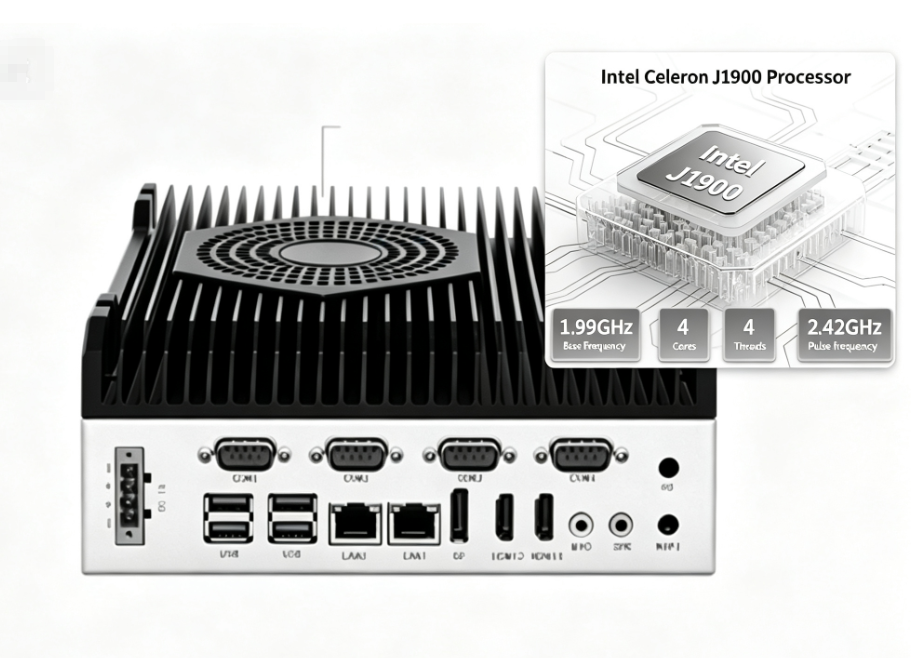
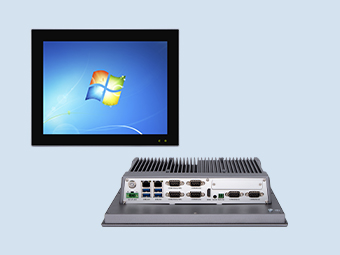
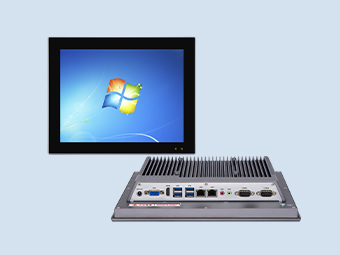
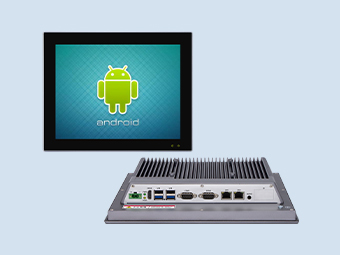
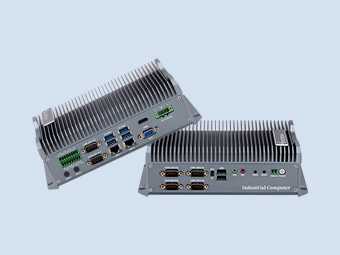
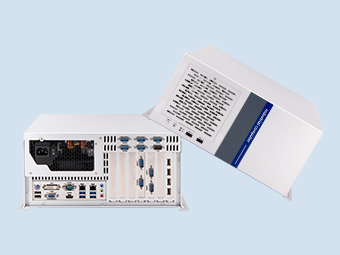
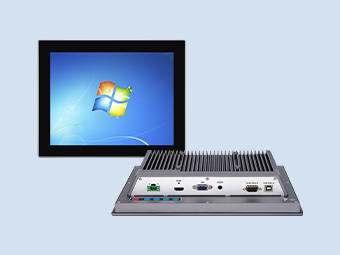
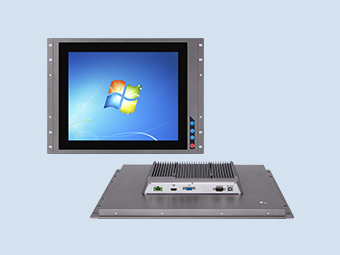
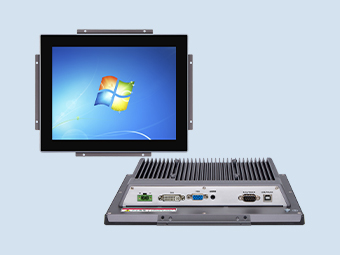
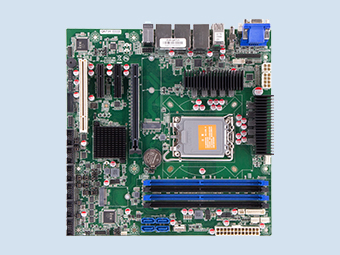
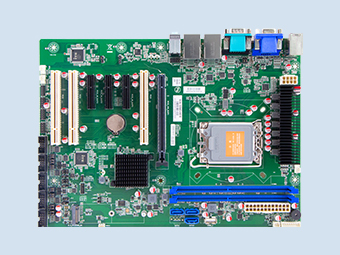
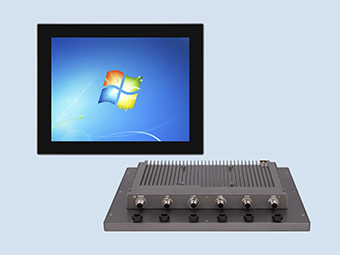
IPCtech Series QY-B5200 / QY-B5400 Industrial Fanless PC.
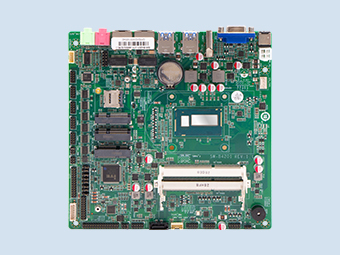
This product is a high-performance industrial mini-PC offering robust capabilities and excellent expandability. Its rugged design ensures durability, allowing it to withstand harsh operating environments. Powered by high-performance Intel processors—supporting 6th through 9th generation Core CPUs—it delivers efficient processing power to meet demanding performance needs. Additionally, the QY-B5400 supports various expansion modules, such as GMS and Wi-Fi, to accommodate diverse user requirements.
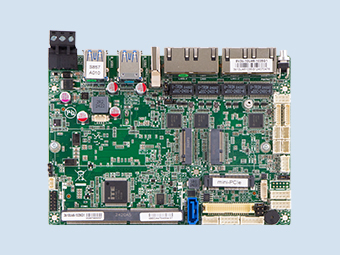
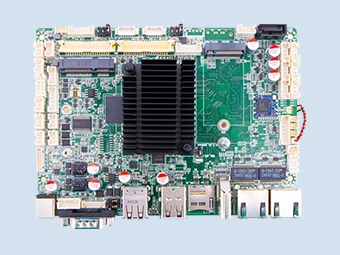
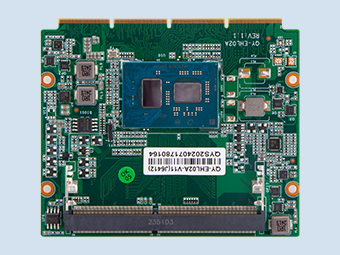
This product employs an architecture combining passive cooling with a low-power CPU; the Celeron J1900 processor (operating at 2.0–2.5 GHz) works alongside an air-cooling system to achieve thermal balance within an ultra-slim chassis. Its configuration—featuring six USB ports and dual-display output—addresses the need for connecting multiple peripherals in commercial environments, while the 1.5 kg weight is achieved through structural optimization of the aluminum alloy chassis. This design sacrifices some raw computing performance to ensure sustained operational stability, thereby meeting the core MTBF (Mean Time Between Failures) requirements for industrial control equipment.
SCADA (Supervisory Control and Data Acquisition) Systems: Sectors such as energy, transportation, and environmental protection require the real-time collection and monitoring of vast amounts of data. Thanks to its stable performance and robust processing capabilities, the J1900 mini PC ensures reliable, long-term operation while maintaining data accuracy and timeliness.
Embedded System Development: For embedded system projects requiring customization, the J1900 mini PC offers extensive interfaces and expandability. It enables developers to tailor both hardware and software to specific requirements, thereby accelerating the project development cycle.
Interfaces and Expansion: Offers native support for industrial buses such as RS232/485, CAN, and GPIO, and provides PCIe/PCI slots for expanding specialized modules like motion control cards and data acquisition cards.
Stable Operation: Utilizes industrial-grade components to support 24/7 continuous operation; the Mean Time Between Failures (MTBF) far exceeds that of commercial-grade equipment, with select products offering a long lifecycle availability of 5–10 years.
It features four cores and four threads.
The Celeron J1900 is a complete SoC (CPU and integrated graphics in a single package) with a TDP of 10W.
Base frequency: 2.0GHz; Max Turbo frequency: 2.42GHz; no Hyper-Threading; built on the older 22nm process.
Measured power consumption of the industrial mini-PC (typical figures for fanless industrial units):
Idle/Standby (running only the OS and industrial control software): 5–10W for the entire system; can drop to around 5W with the hard drive in sleep mode.
Moderate load (data acquisition, serial communication, web-based monitoring, soft router): 10–15W for the entire system.
It features ultra-low power consumption and minimal heat generation, making it ideal for fanless, sealed industrial PCs—eliminating the need for cooling fans while ensuring dust resistance and durability.
Electricity costs for 24/7 operation are extremely low, making it suitable for applications such as production line monitoring, access control gates, digital signage, software routers, and NAS devices.
It offers a wide operating temperature range, with industrial versions supporting stable performance between -20°C and 60°C.
IPCtech Series QY-B5200 / QY-B5400 Industrial Fanless PC.
This product is a high-performance industrial mini-PC offering robust capabilities and excellent expandability. Its rugged design ensures durability, allowing it to withstand harsh operating environments. Powered by high-performance Intel processors—supporting 6th through 9th generation Core CPUs—it delivers efficient processing power to meet demanding performance needs. Additionally, the QY-B5400 supports various expansion modules, such as GMS and Wi-Fi, to accommodate diverse user requirements.
This product employs an architecture combining passive cooling with a low-power CPU; the Celeron J1900 processor (operating at 2.0–2.5 GHz) works alongside an air-cooling system to achieve thermal balance within an ultra-slim chassis. Its configuration—featuring six USB ports and dual-display output—addresses the need for connecting multiple peripherals in commercial environments, while the 1.5 kg weight is achieved through structural optimization of the aluminum alloy chassis. This design sacrifices some raw computing performance to ensure sustained operational stability, thereby meeting the core MTBF (Mean Time Between Failures) requirements for industrial control equipment.
Industrial Application
Automated Production Line Control: On automated production lines, the J1900 mini PC can serve as a control center, connecting various sensors and actuators to enable precise control of production processes and data logging. Its compact size allows for easy integration into various control cabinets without taking up excessive space.SCADA (Supervisory Control and Data Acquisition) Systems: Sectors such as energy, transportation, and environmental protection require the real-time collection and monitoring of vast amounts of data. Thanks to its stable performance and robust processing capabilities, the J1900 mini PC ensures reliable, long-term operation while maintaining data accuracy and timeliness.
Embedded System Development: For embedded system projects requiring customization, the J1900 mini PC offers extensive interfaces and expandability. It enables developers to tailor both hardware and software to specific requirements, thereby accelerating the project development cycle.
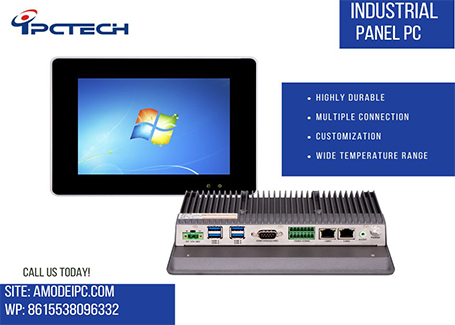
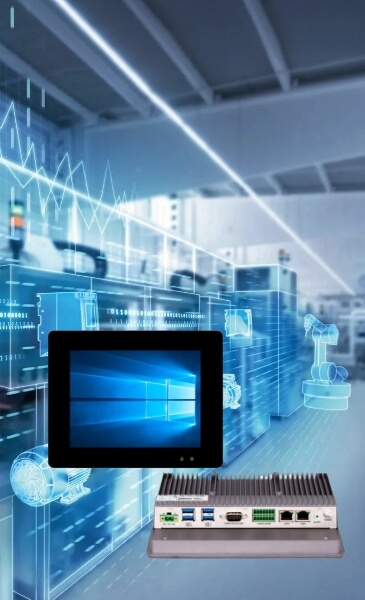
IPCtech P6000 series
Environmental Resilience: Features IP65+ dust and water resistance, vibration and shock tolerance, and a fanless cooling design, making it suitable for environments with dust, high temperatures, high humidity, and strong electromagnetic interference.Interfaces and Expansion: Offers native support for industrial buses such as RS232/485, CAN, and GPIO, and provides PCIe/PCI slots for expanding specialized modules like motion control cards and data acquisition cards.
Stable Operation: Utilizes industrial-grade components to support 24/7 continuous operation; the Mean Time Between Failures (MTBF) far exceeds that of commercial-grade equipment, with select products offering a long lifecycle availability of 5–10 years.
Recommended